STUDENT WORK
Parsons Paris 2025 Independent Material Explorations
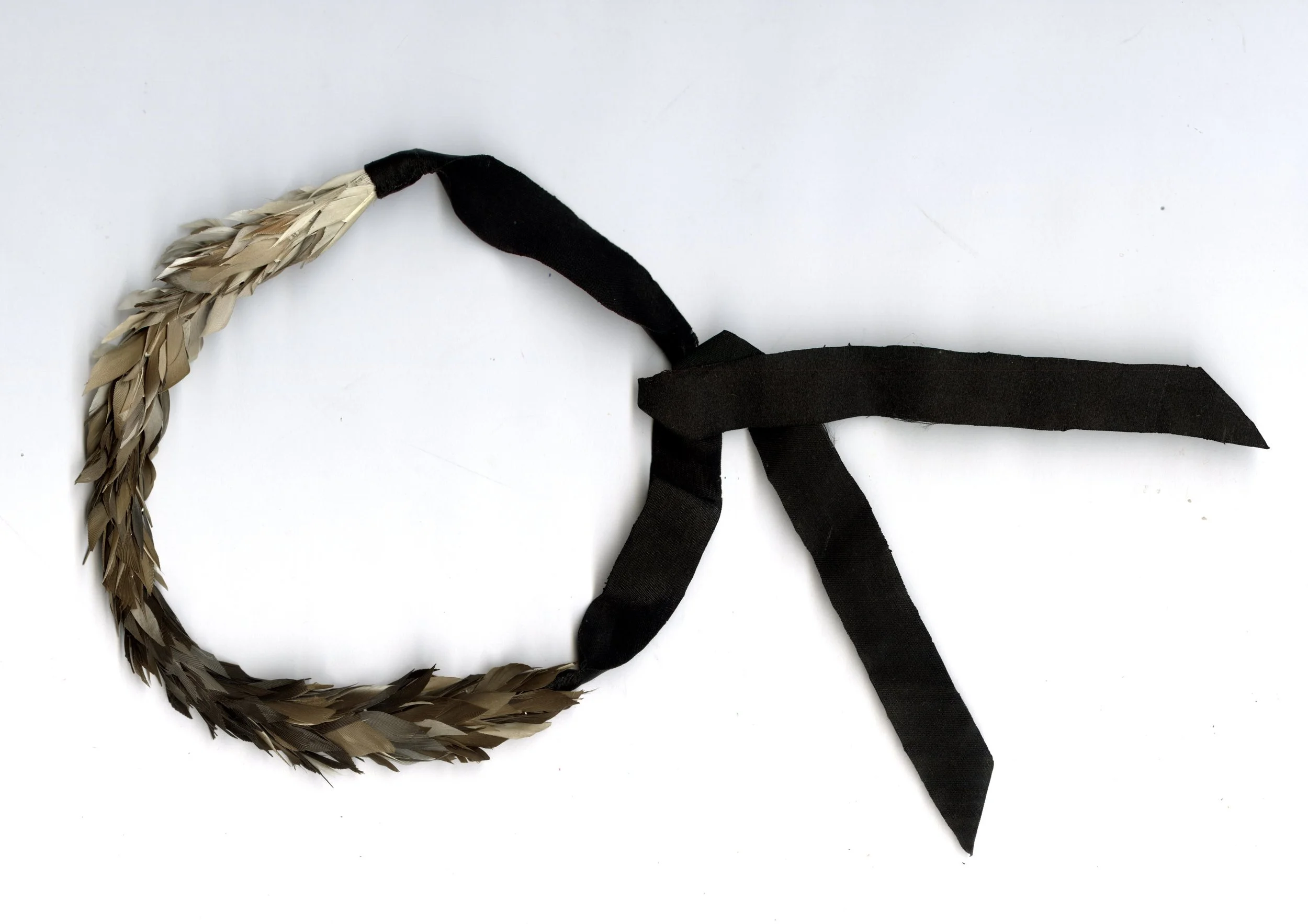
FEATHERS LEI HULU
IZZY FARWIG
2025 PROJECTS
MOSS
EDEN BROZOVICH
CARDAMOM
LEENA BARQAWI
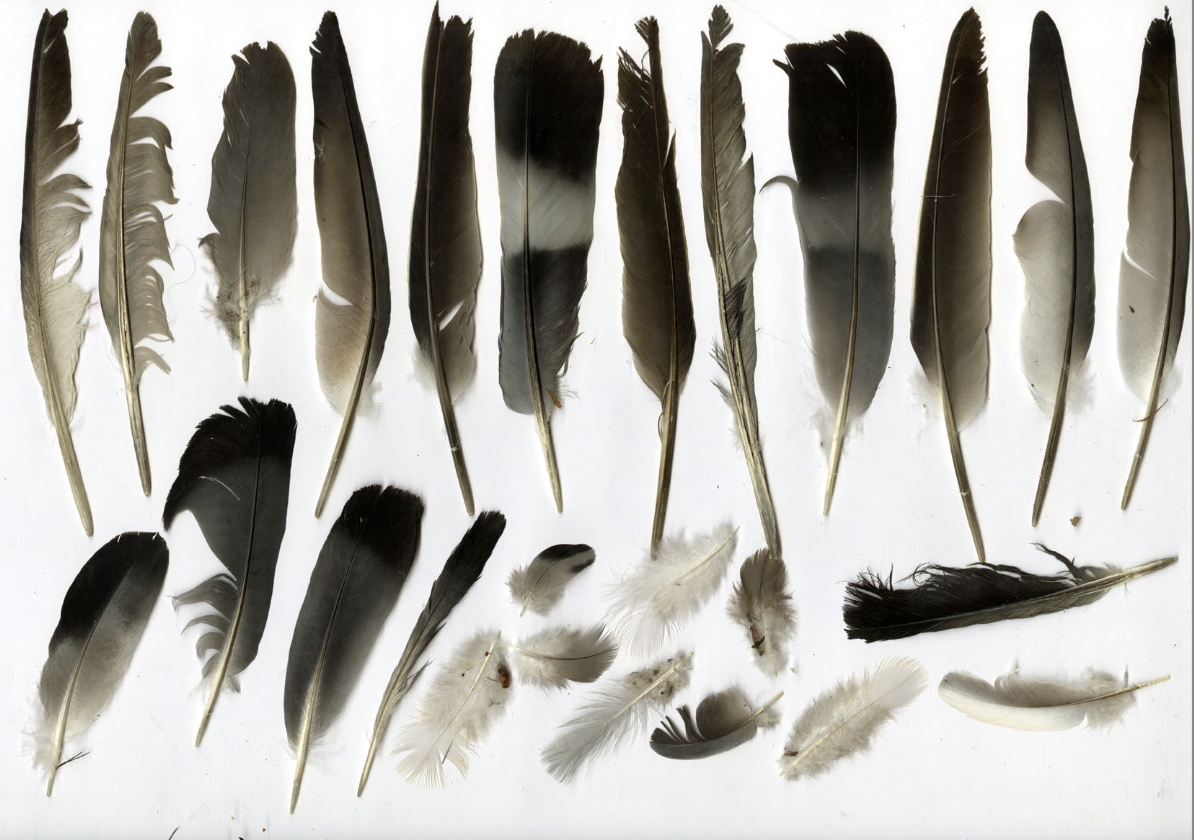
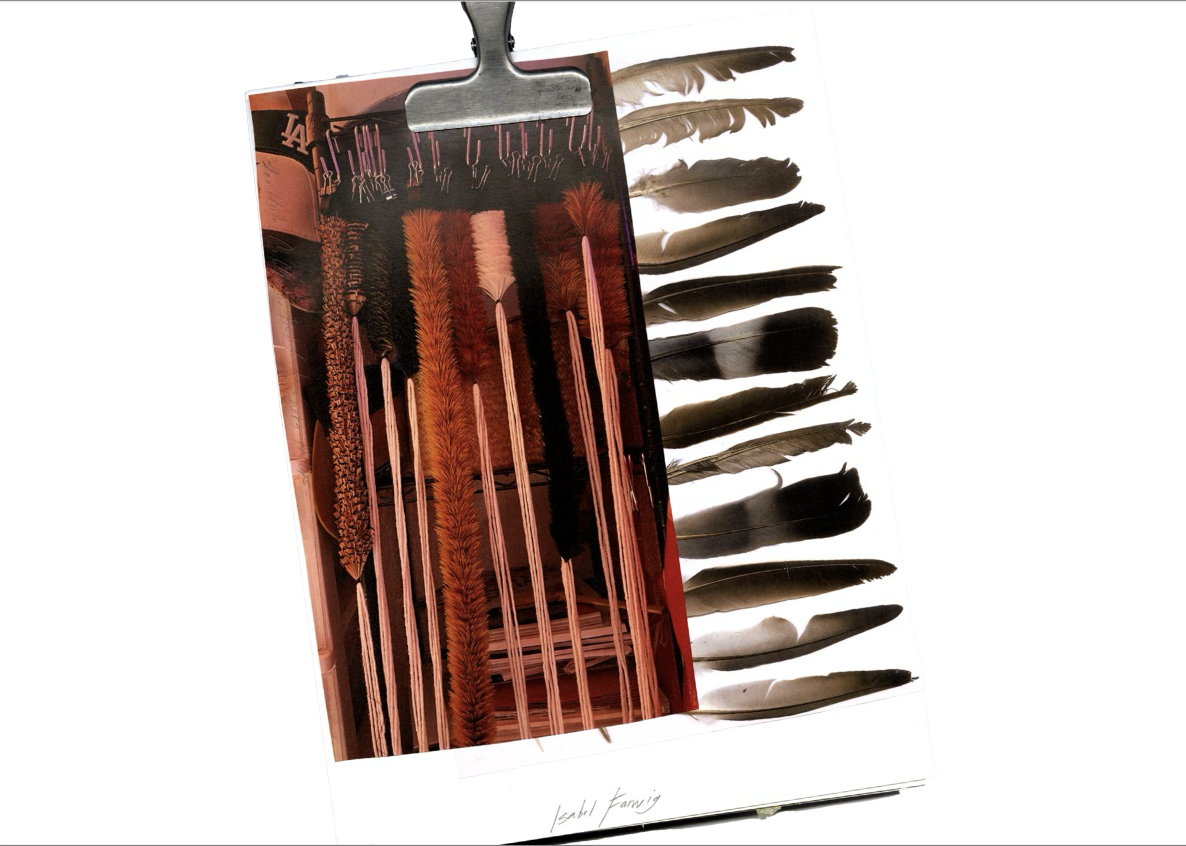
In Native Hawaiian history, bird feathers are considered sacred and were used as resources for art and cultural artifacts. They were slowly collected by carefully plucking one or two feathers from a bird when convenient. Over the years, they would create intricate regalia, feather capes, helmets, statues, and lei, unique by color and style to each island and its flourishing bird species. These species are no longer abundant today, with 95 Hawaiian bird species extinct and 47 left, the majority of which are currently endangered. I wanted to analyze the way we view feathers today, inspiring my personal project of making lei hulu, a feather garland meant to celebrate the wearer, out of found feathers in Paris. All of which belonged to the pigeon. I wanted to replicate the slow, cruelty-free collection process, and collected 50 feathers over the course of three and a half months. They were cleaned, prepared, and crafted into lei hulu, which provoked questions surrounding animal value, perceptions of dirtiness, and inquiries about endemic plant and animal enrichment. To further my research, I interviewed two native plant and animal conservationists from the island of Maui, Hokua Gillman and Cora Fernandez.
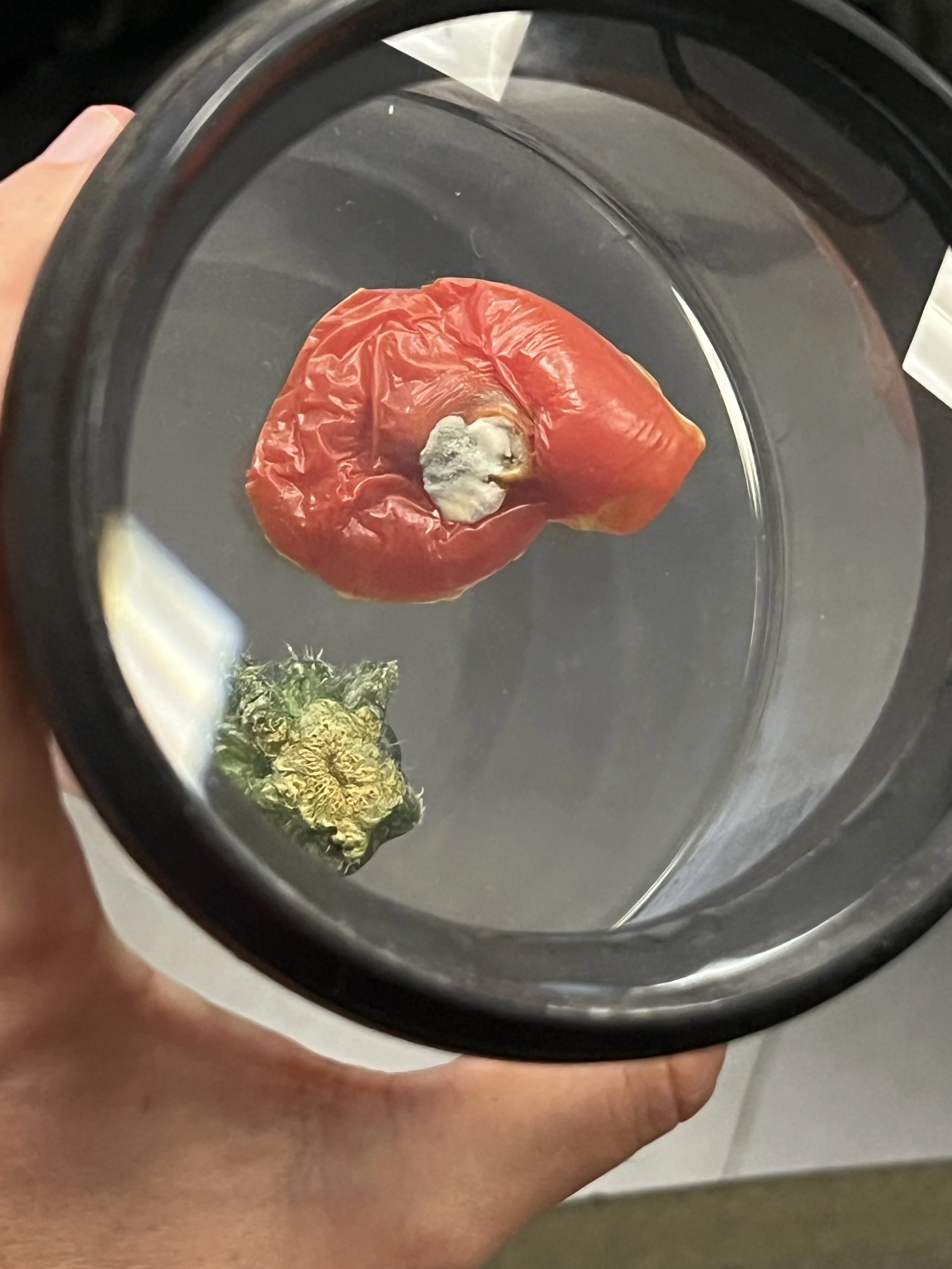
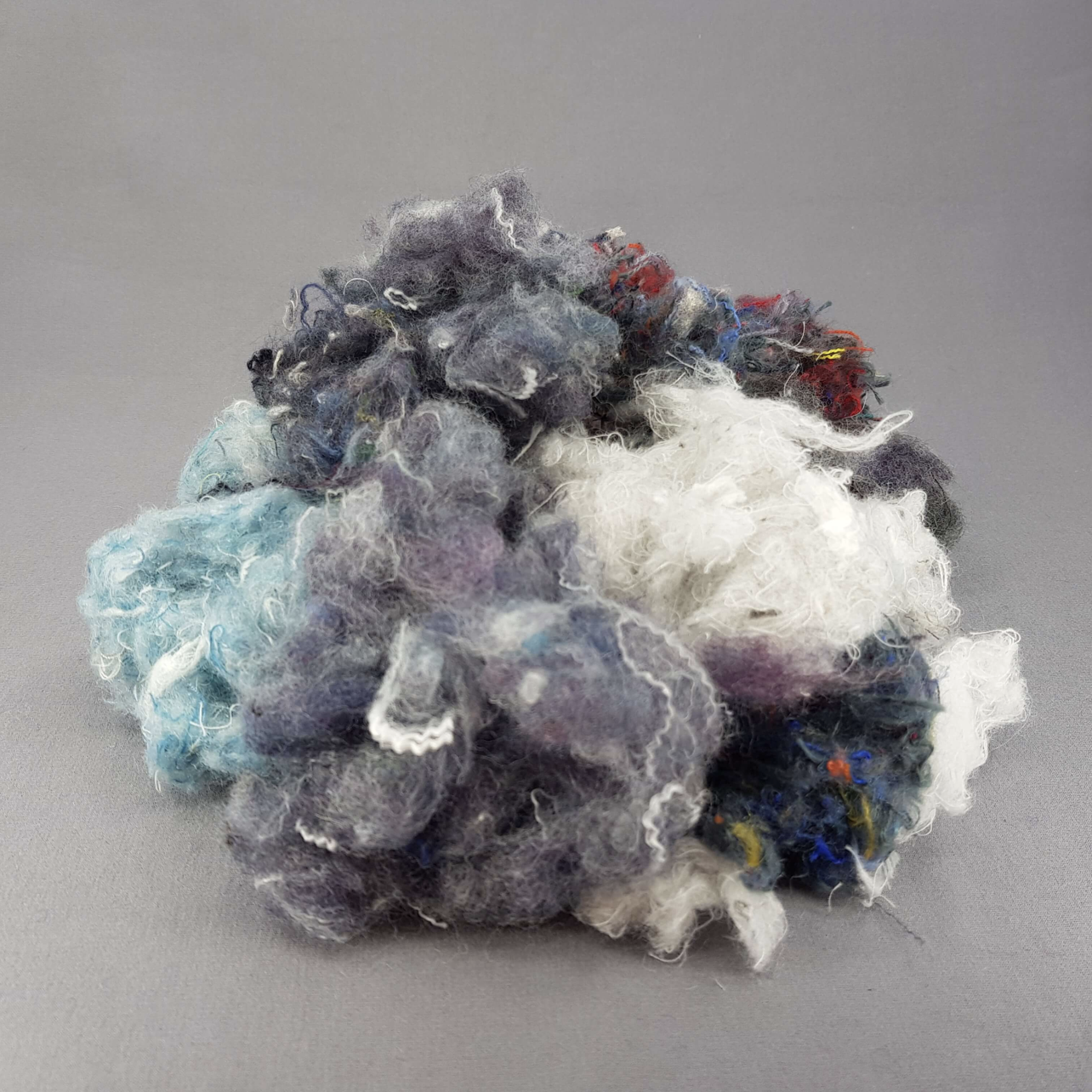
For my project, I chose polyester as my material of focus. I decided to explore it because it’s known as one of the most harmful materials in the fashion industry, and it also has a direct connection to my family business, which relies heavily on polyester-based textiles. Because of this, I wanted to propose an alternative business model for our company - one that shifts away from using polyester as the main raw material. I researched different material options that could realistically be introduced into the Indian textile industry, consulted a few professionals and identified what I believe is the most practical and effective solution. In my business model, I outlined a strategic and profitable plan to transition the company toward a more sustainable direction by phasing out virgin polyester in stages. This approach ensures that we can maintain our current customers while expanding our product range and attract new clients for long-term sustenance.
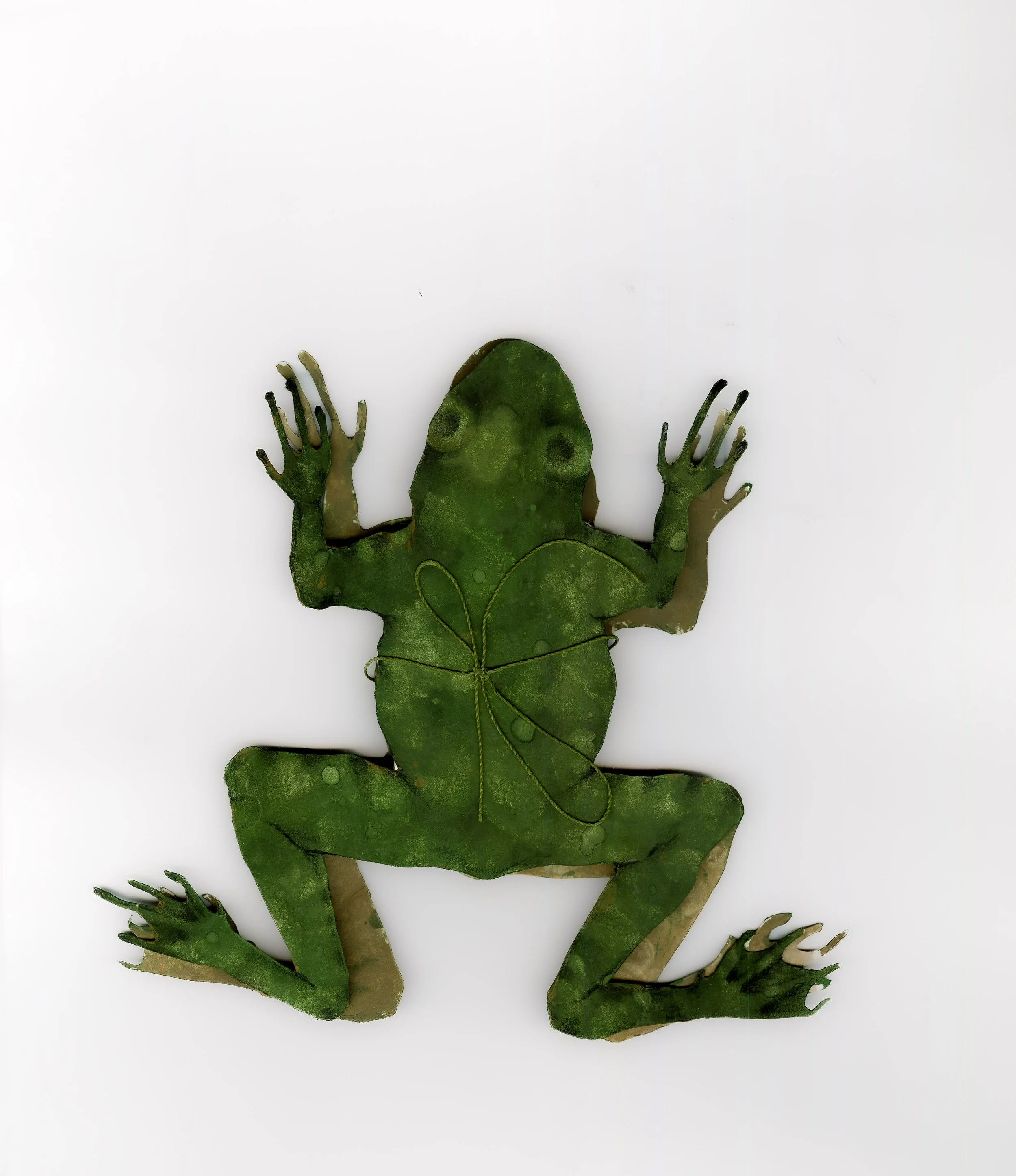
In my project French the Frog, I created an oral hygiene kit designed to draw attention to the relatively opaque practice of harvesting the star ingredient. The “kiss kit” features a mouthwash, toothpaste, and lip gloss infused with cardamom extract.
The “Kiss Me, I Gargle” mouthwash blends spearmint and cardamom; the “Kiss Me, I’m Cavity Free” toothpaste sustains the same flavors; and the “Kiss Me, I Save Frogs” lip gloss offers a glossy, hydrating finish.
While the kit highlights cardamom’s oral hygienic properties, it also points to the extreme labor involved in its harvesting and the industry’s profitability, which has led to harmful practices like the killing of endangered frogs on cardamom plantations.
From furs to dyes to plastics, materials are the DNA of a design, weaving
together politics, economy, culture, and ecology. Each week we will focus
semester, we will address natural materials with origins in plants animals,
and minerals, interrogate synthetics, and speculate about new material
innovations. Throughout we will be asking “Who and what is impacted by
material extraction and use? What are the externalities? Who bears the
cost of production and who benefits?” By examining the context in which
materials rise to prominence we will explore how trends, trade, and
ecosystems are shaped by materials. Just as a chef's ingredients
determine the quality of the food, it is critical to consider what and how
materials form a design. Students will be expected to respond to readings,
video, and visual archives, participate in class discussions, and create two
dynamic presentations.
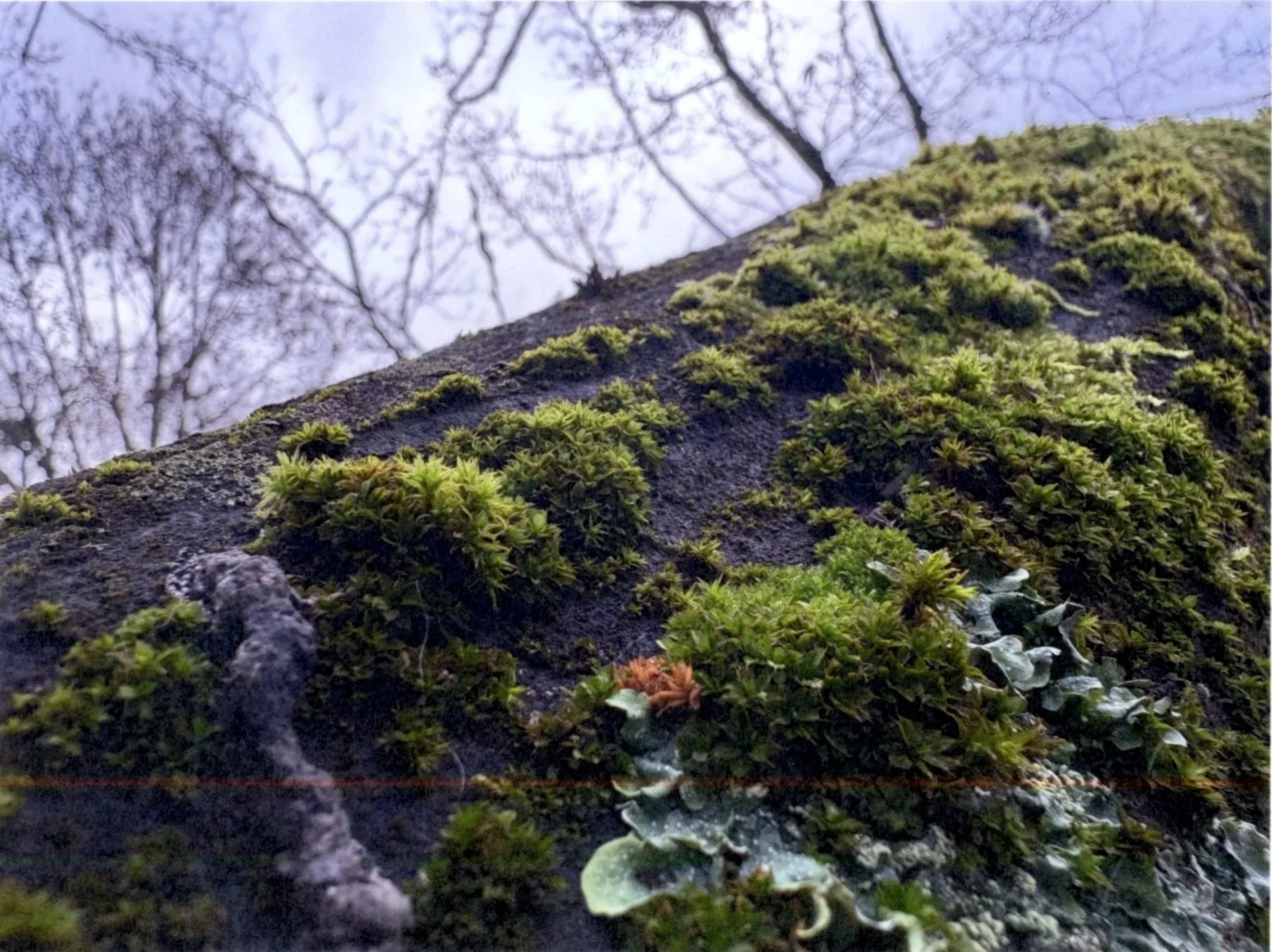
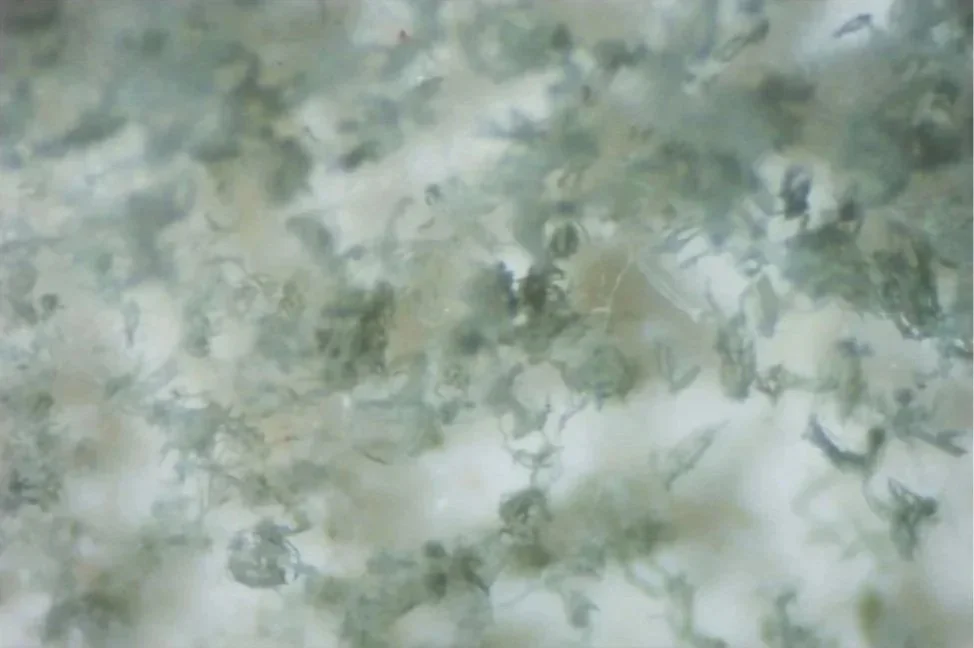
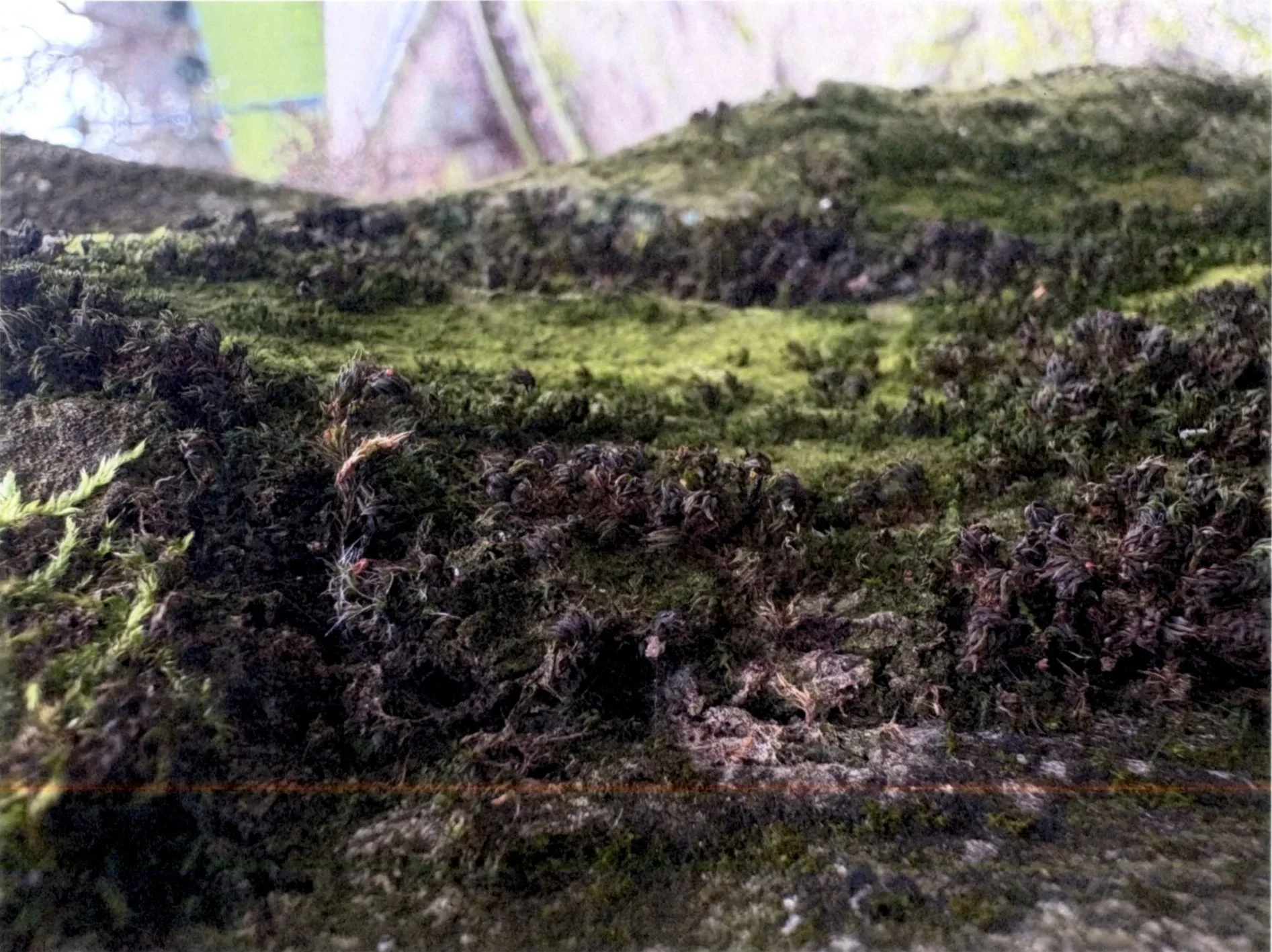
At first glance a patch of moss may resemble a fuzzy green blanket covering a rock or the trunk of a tree, but with a closer look it’ll be revealed that they are forests of little plants with stems and leaves of all different shapes and textures. These miniature forests are ecosystems of their own, home to waterbears, springtails, and other microscopic beings. Inspired by Robin Wall Kimmerer’s teaching that in order to help mosses survive we must get to know them, I began an exploration of how to introduce people to mosses and encourage them to slow down for long enough to begin to get to know them.
Through close up photographs of mosses that resemble landscapes that feel as though you could step into them, I invite people to lean in closer and begin to see the beauty of these little plants. Moving in a bit closer to the moss, I created an illustration like that of a children’s book where, through a childlike curiosity, a kid is shrunk down and enters into the intricate world of moss.
LUTETIAN LIMESTONE
Stella Sophia Zaragoza
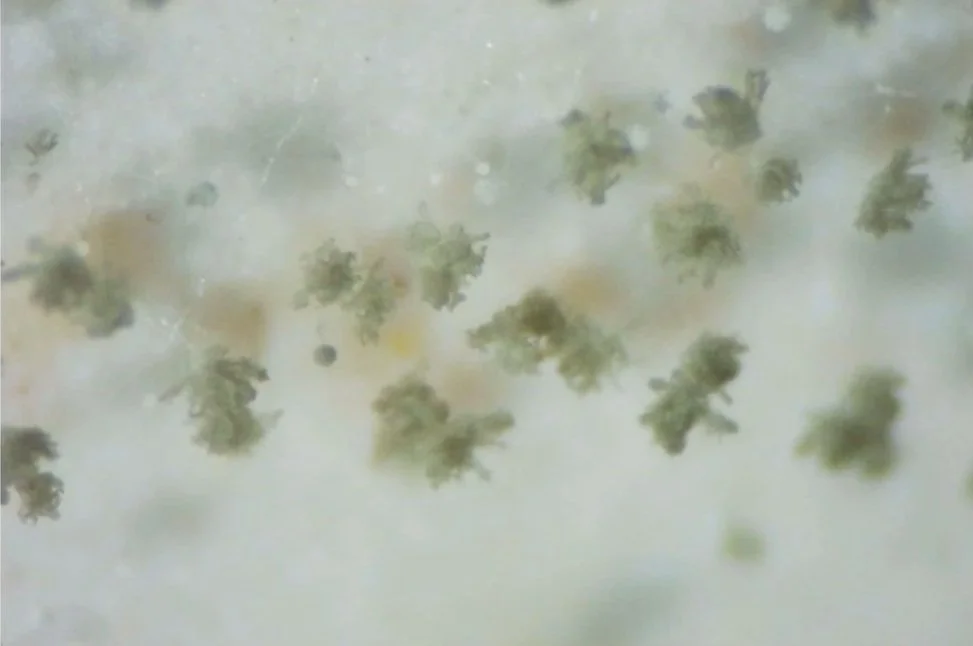
MOLD
STANISLAW LASOCKI
POLYESTER
KIKI SANTOSSH
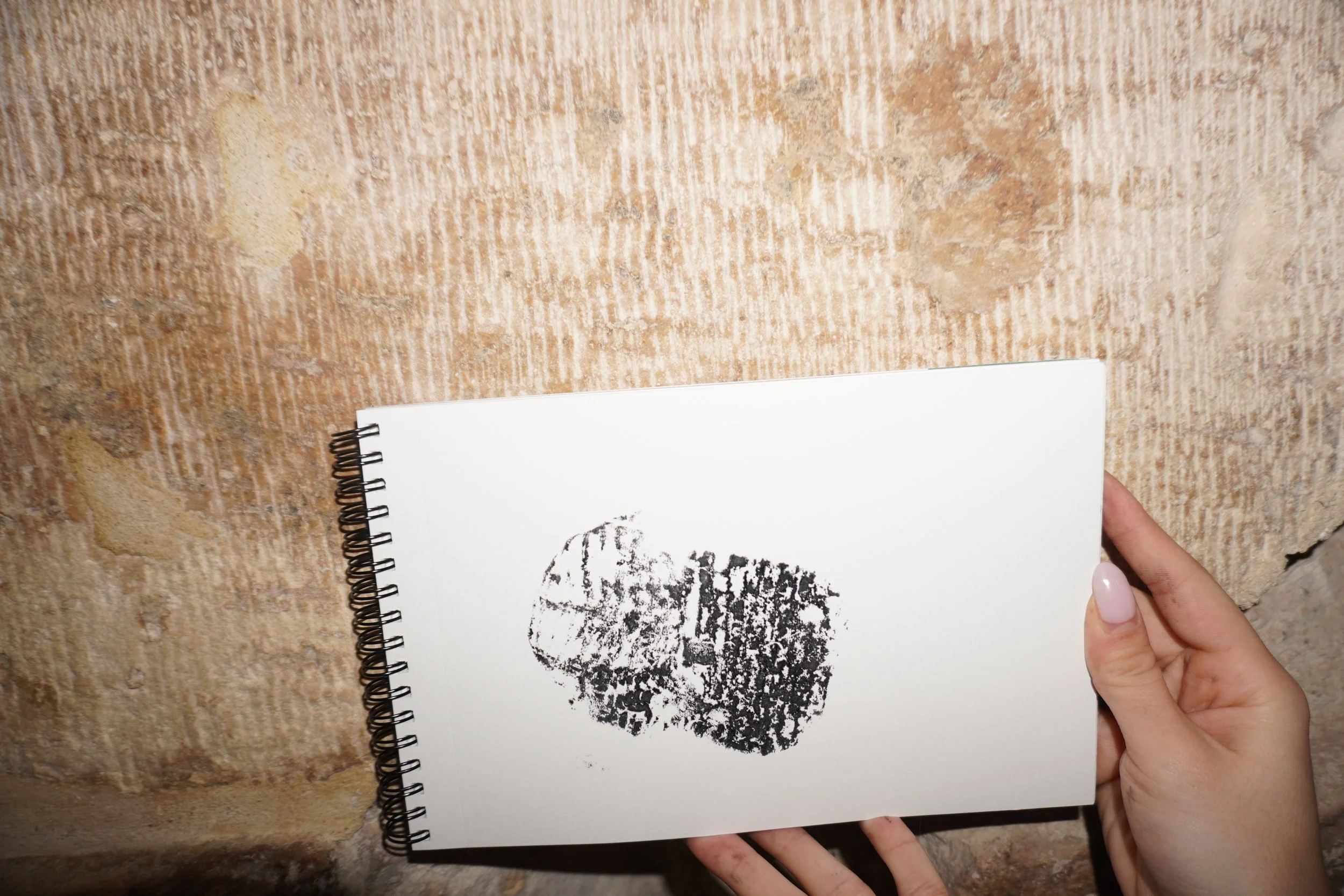
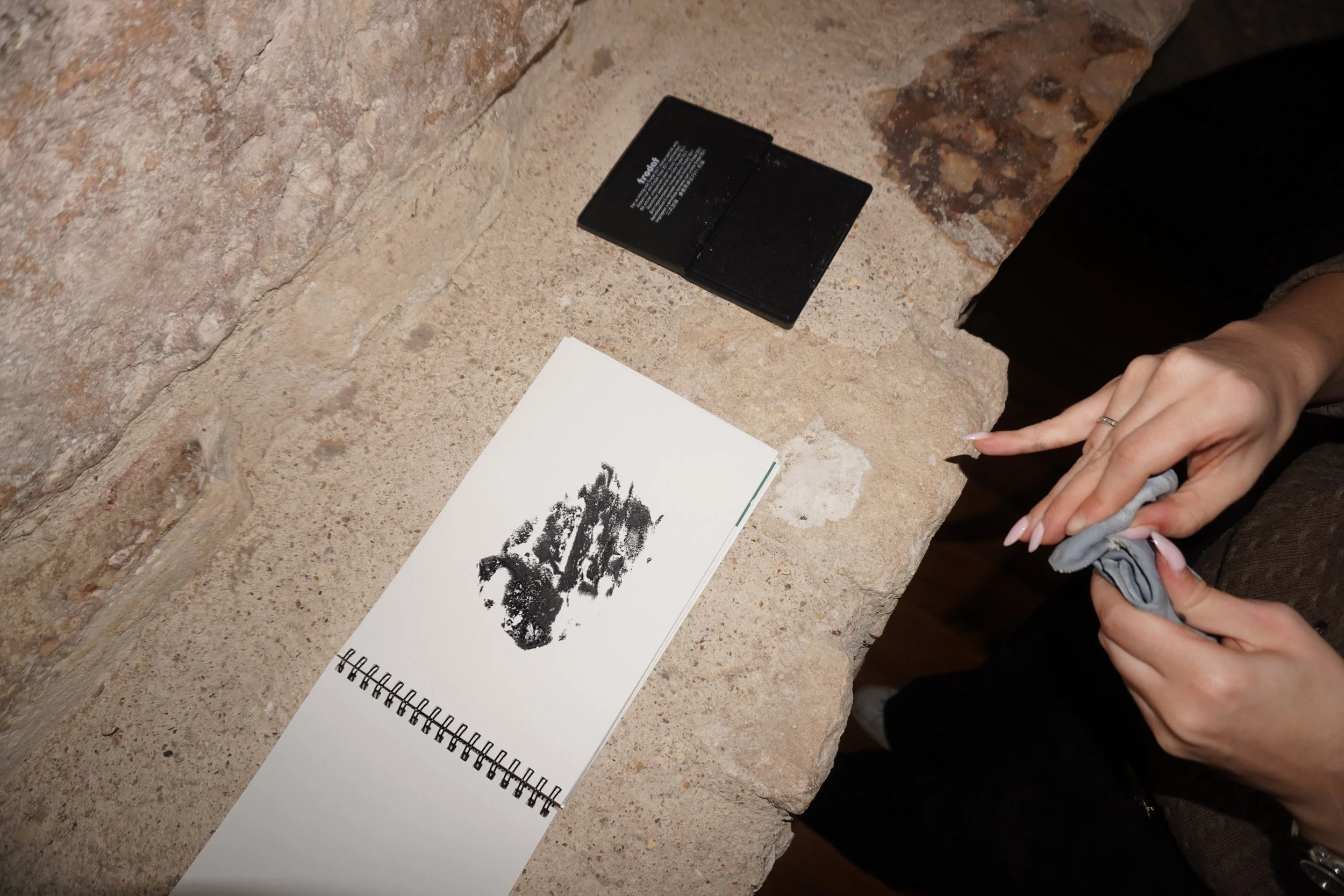
This project explores Lutetian limestone through hand-pressed ink blots as a way of translating stone texture into visual form. I used putty and eraser rubber to gently press into limestone surfaces, capturing pores, fractures, and surface variations without damaging the material. These impressions were inked and printed onto transparent paper, then viewed on a LED light pad, referencing archaeological and geological methods of material observation. The final work transforms limestone into a tactile archive where texture, pressure, and light reveal the memory of stone.

SEXY SAP
CHARLIE TRAPP
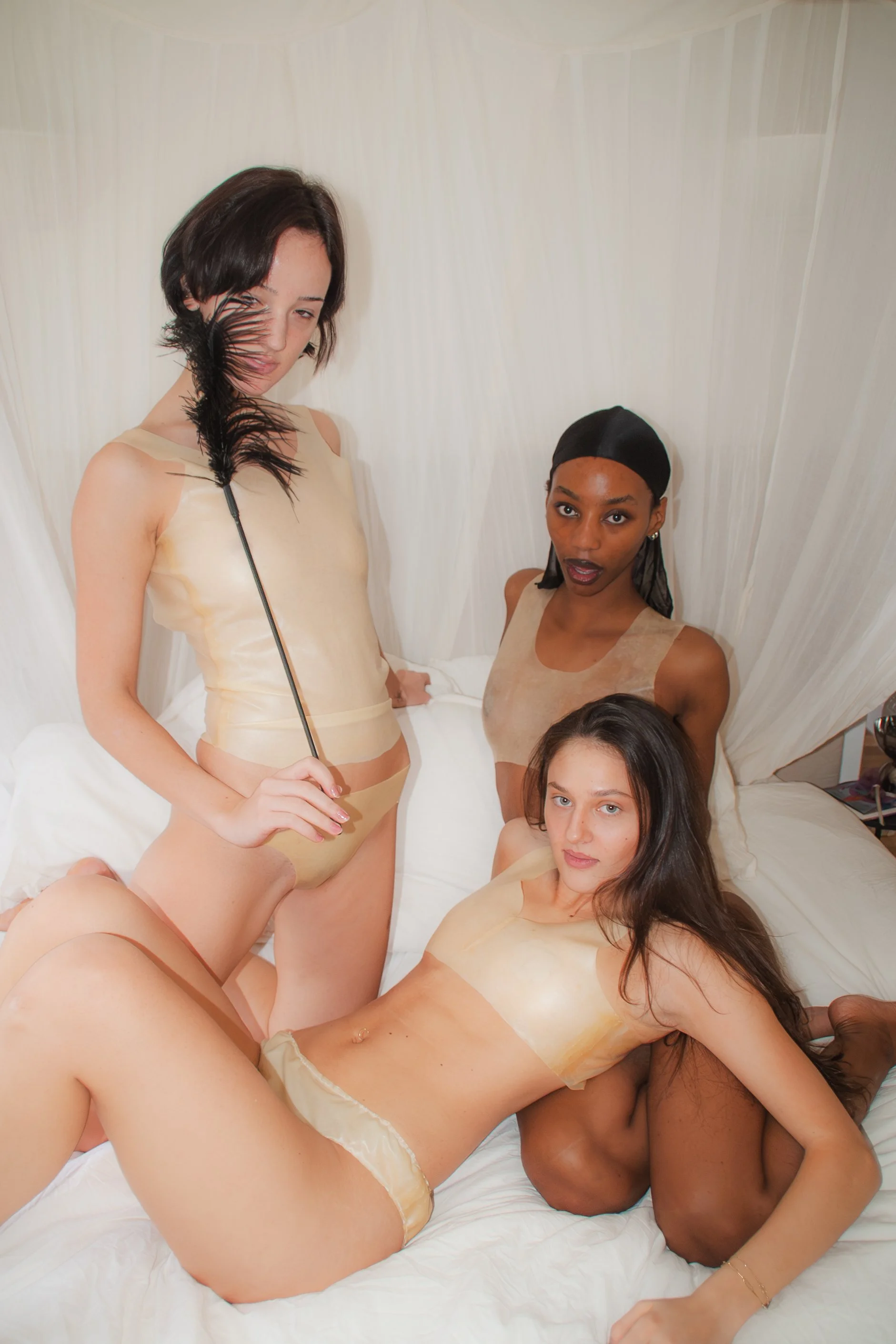
‘Sexy Sap’ was a material exploration of latex primarily through the hands-on research of how it performs on the body and as a fashion material. Throughout this project I began with latex from one of its beginning stages as a liquid, and fabricated it into a wearable garment. Throughout the process of painting sheets of latex, to cutting and patterning the material, to then attaching each piece together with more liquid latex, I was able to create a series of latex undergarments aiming to create a connection between the human body and latex as a material and bridge the disconnect between latex and everyday garments. Through this approach I was not only able to understand the physical properties of a new material, but instead learn about its integral properties and society's impressions on latex by presenting my work.
HONEY
Carolina Feldman Schonenberg
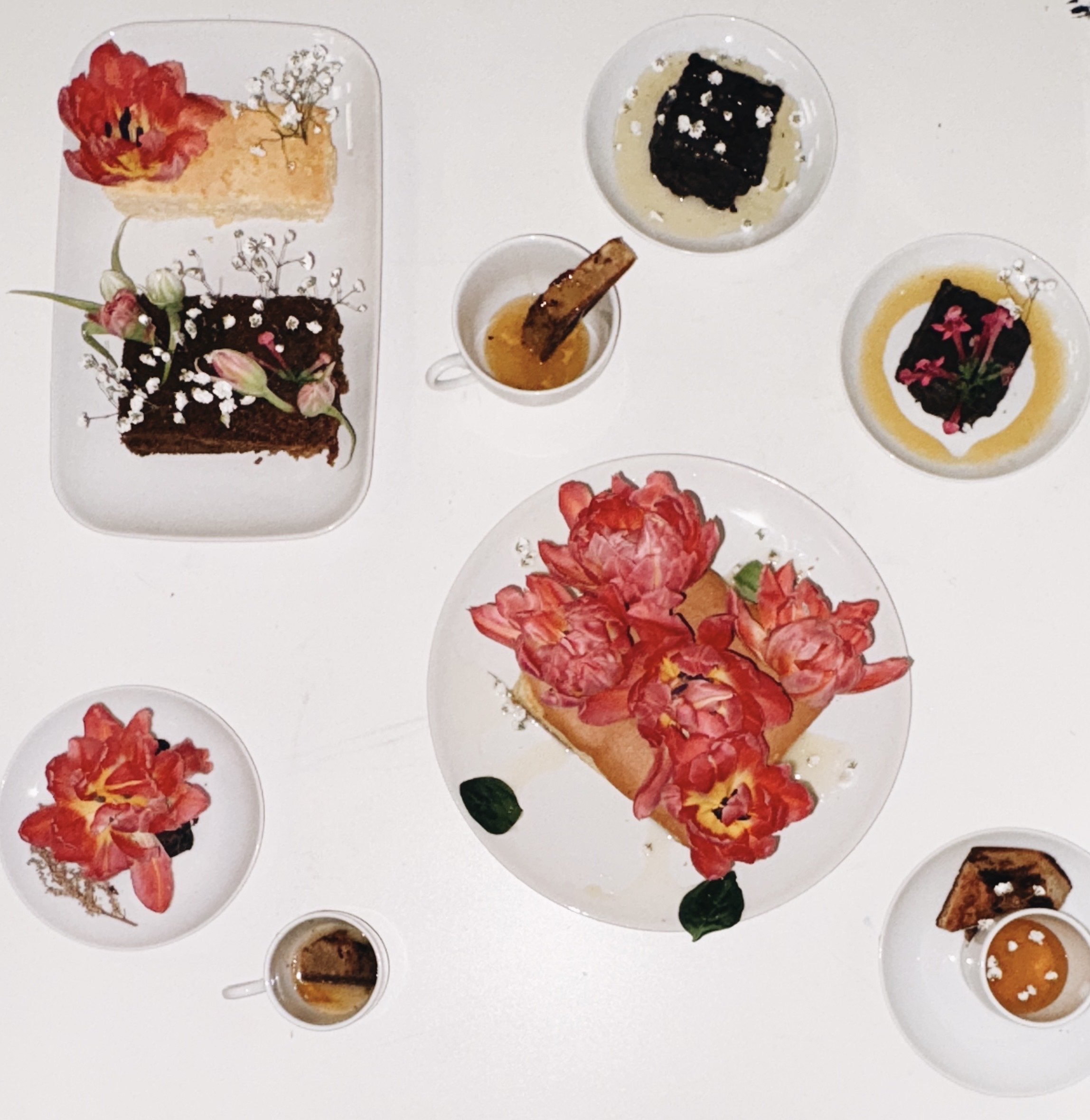
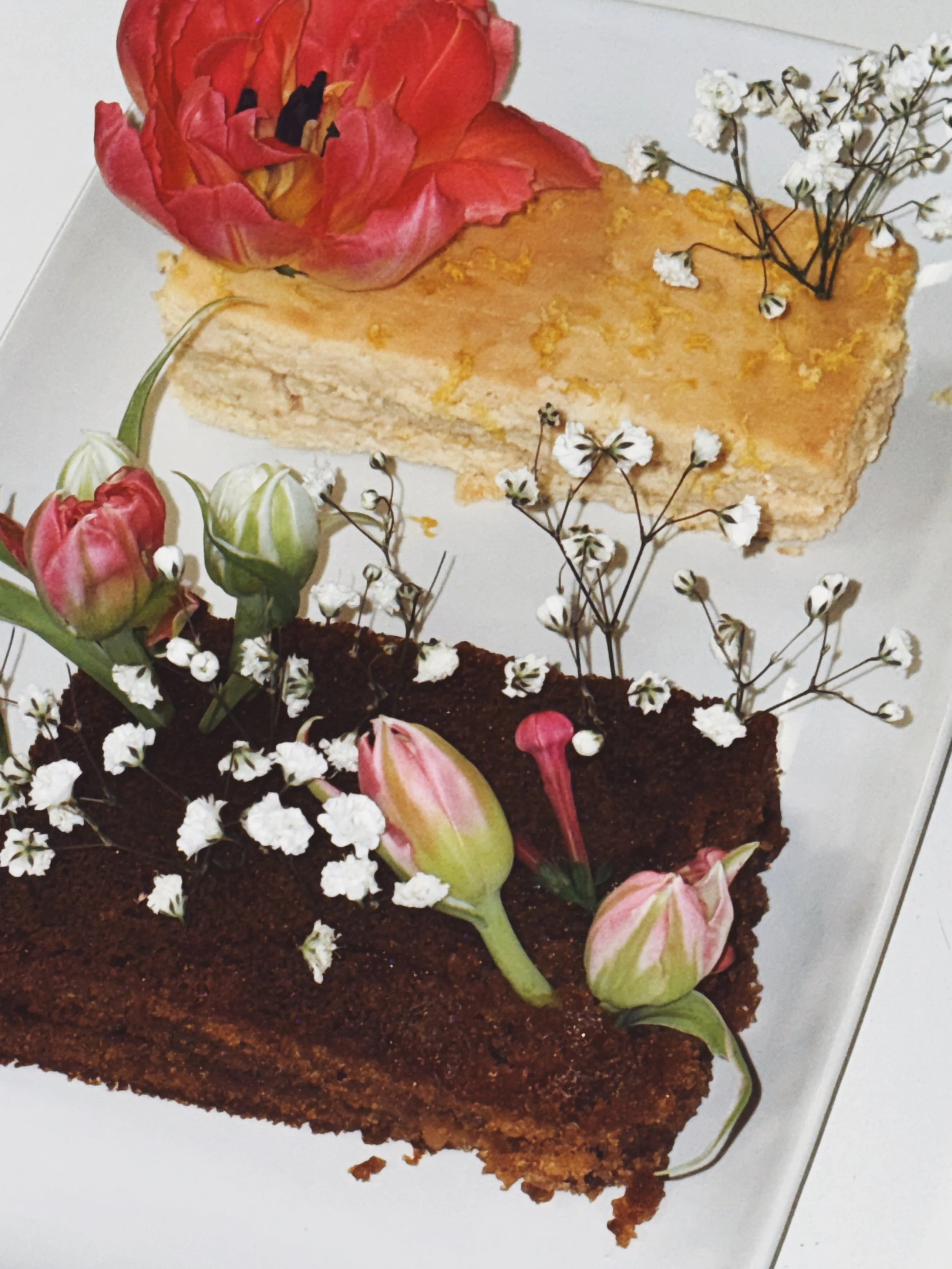
Have you ever wondered what pastries tasted like before sugar?
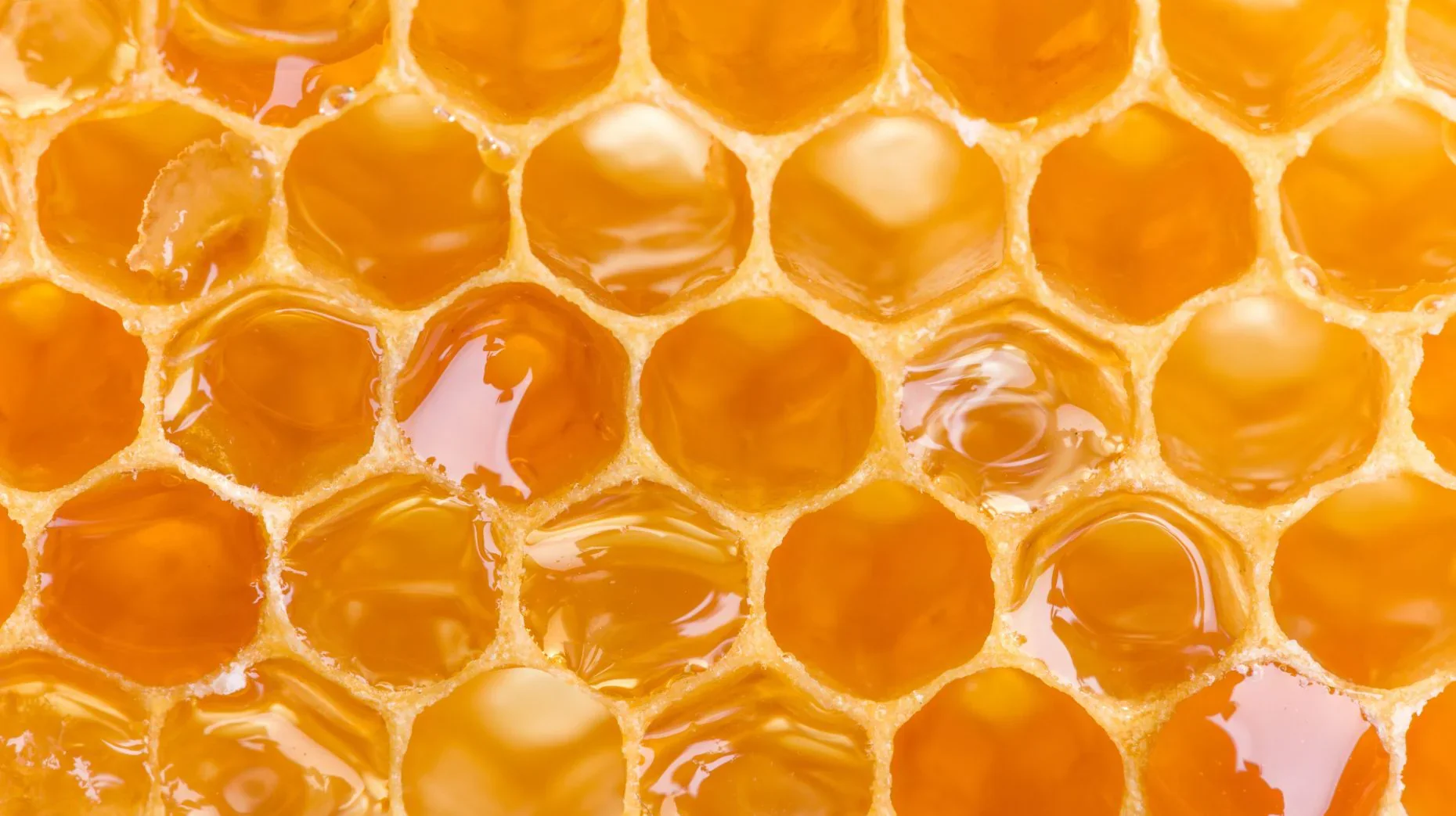
Honey Tales explores honey as the original sweetener and as a material shaped by history, ritual, and collective labor. The project looks at how honey has moved through cultures and centuries, carrying meaning beyond flavor — as something tied to memory, belief, and tradition.
Through a series of honey-based recipes and plated desserts, Honey Tales translates historical inspiration into edible form. Each dish reimagines a different time or place, using honey’s warmth, viscosity, and glow to tell stories that connect past and present through taste.