SYSTEMS
OF MATTER
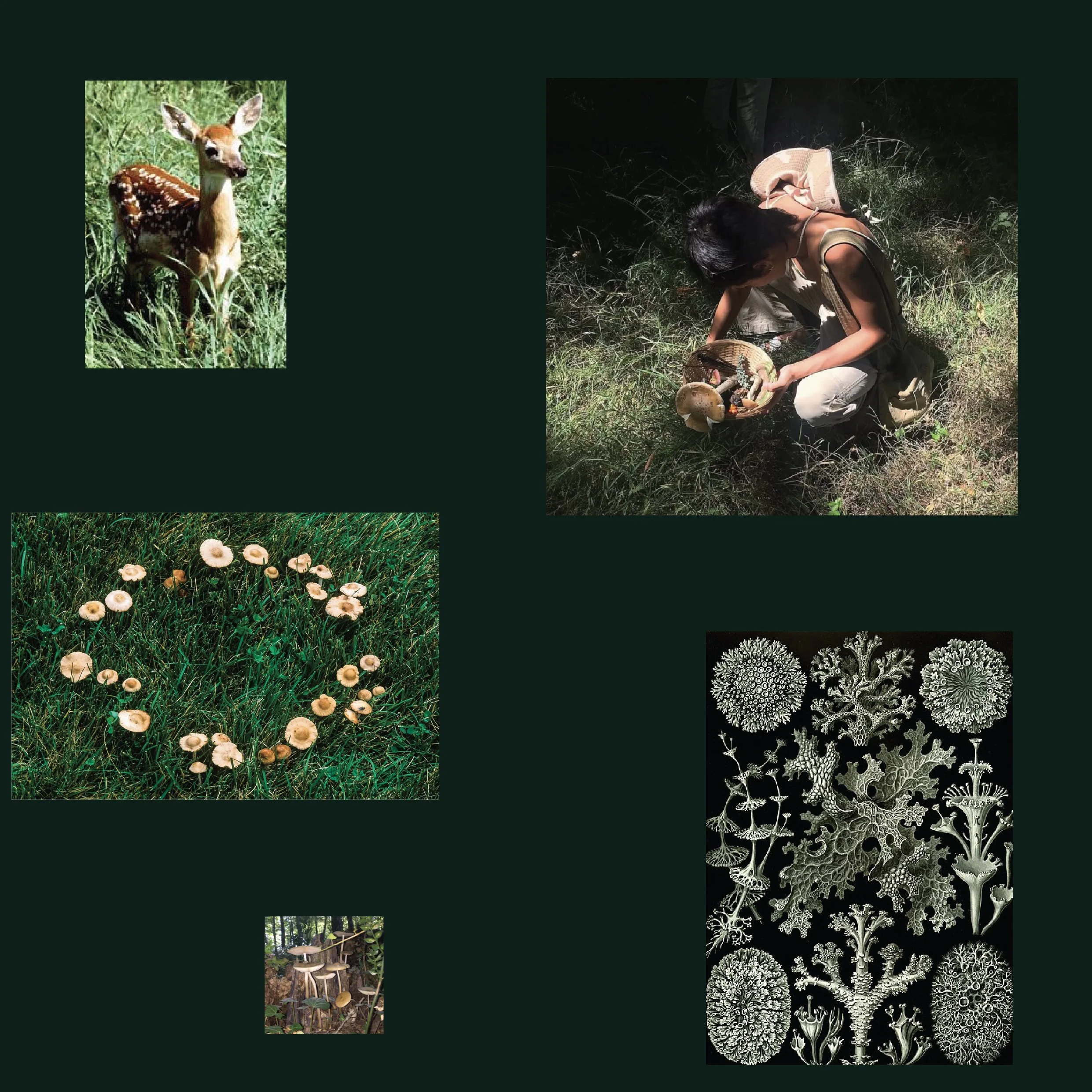
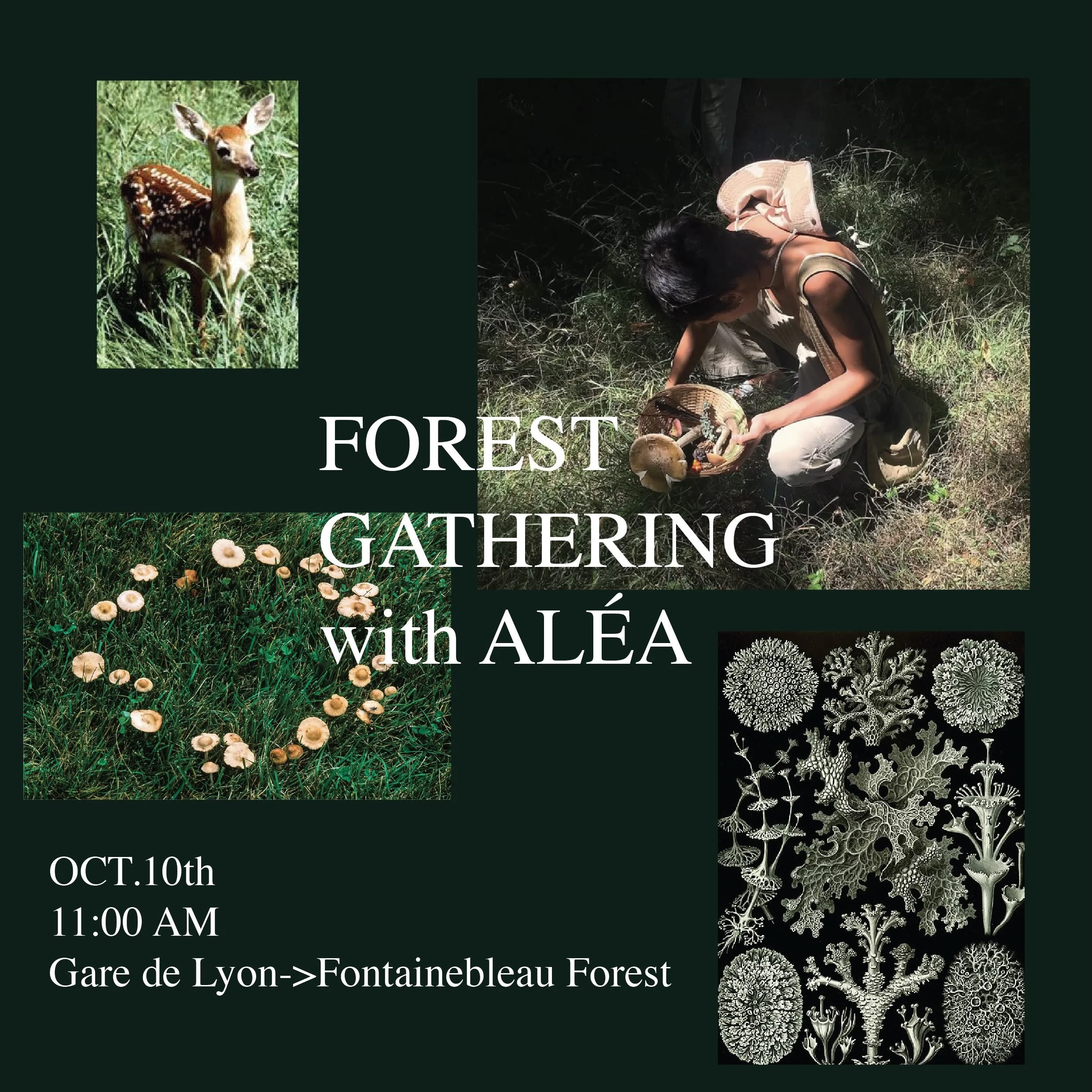
Come gather with Aléa Work in Fontainebleau Forest! We will encounter the fall ecosystem of the forest, including mushrooms, lichens, and changing trees. Come prepared for some walking on dirt paths and a notebook to record your findings, and perhaps some foraging!
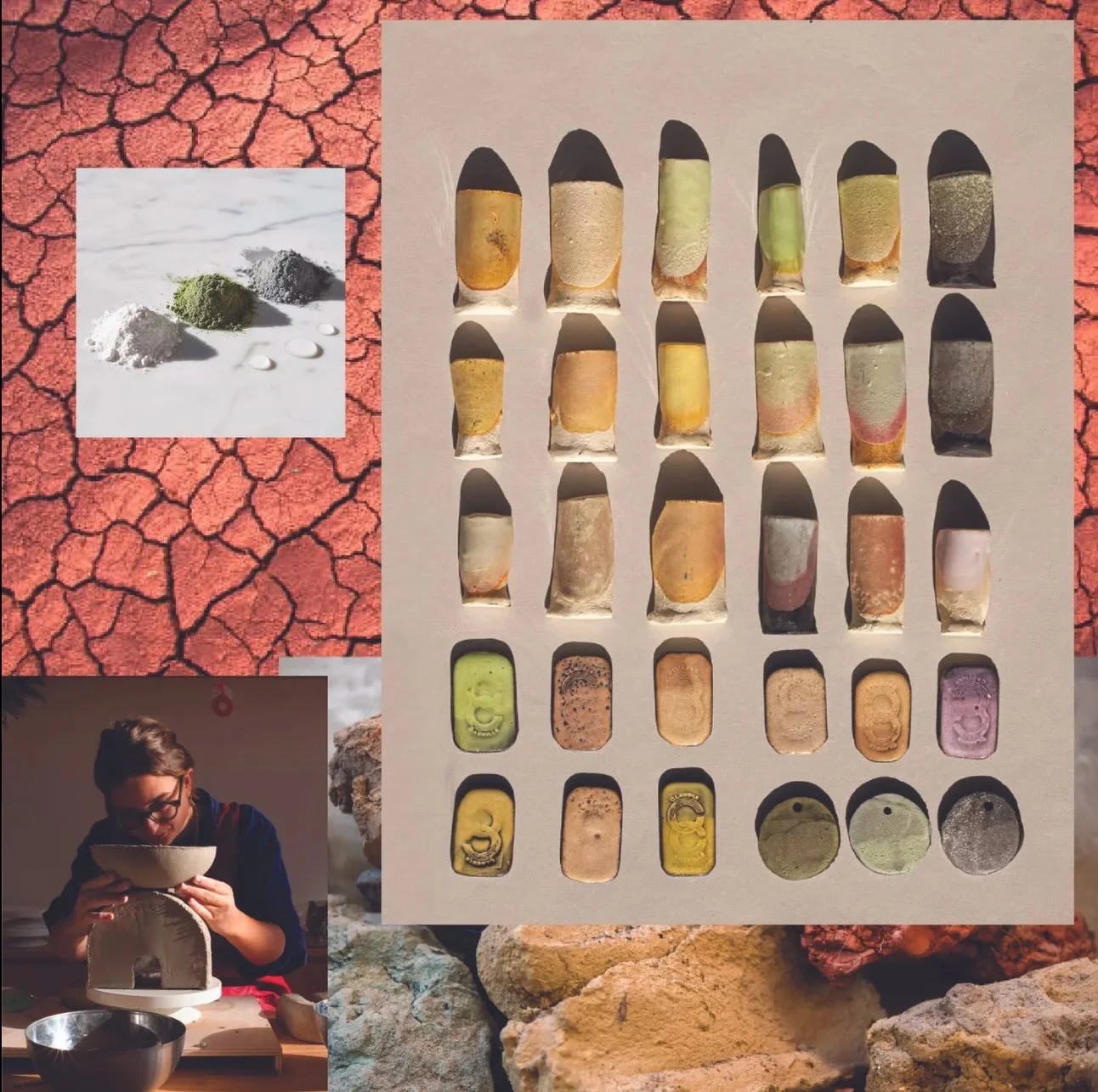
Aléa Work is an experimental design and material research studio based in Paris. Their practice explores growth, decay, and waste, and reciprocal methods of fabrication with the other-than-human.
October 10th
Complete details will be sent via email!
This is a free event. Optional donations go towards running Systems of Matter!
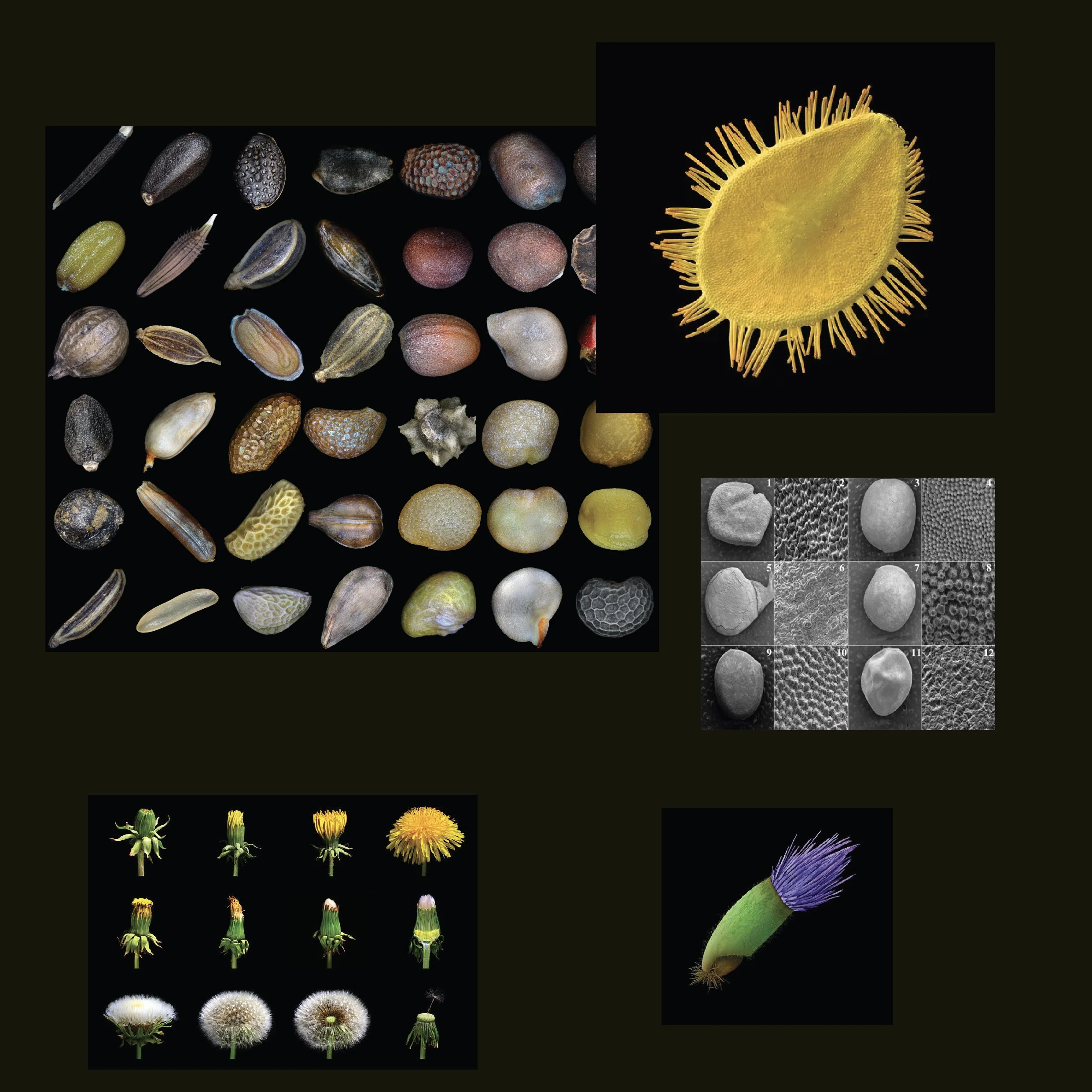
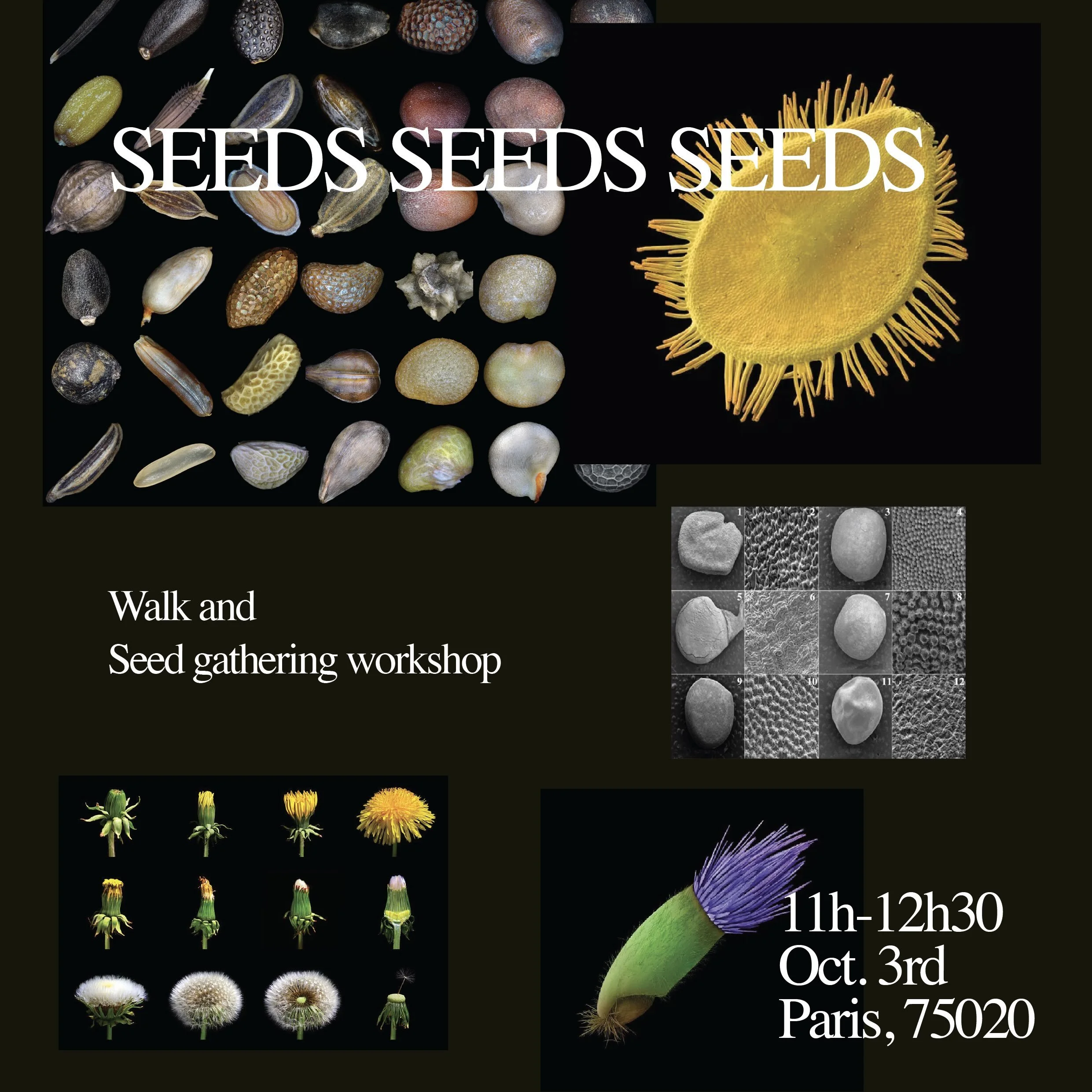
Fall is the season to gather seeds and store them for the season to come. Join us for a walk around Parisian Parks, gathering seeds, spreading them, and learning how and why to save them. Led by designer and ecofuturist Lily Consuelo Saporta Tagiuri.
Seeds are our link to the past and our investment in the future. They are a technology and a series of poems; An acorn that fits in your palm growing into a massive oak, a small black watermelon seed transforming into a juicy red fruit, one fig having hundreds of seeds that could become as many trees.
Complete details will be sent via email!
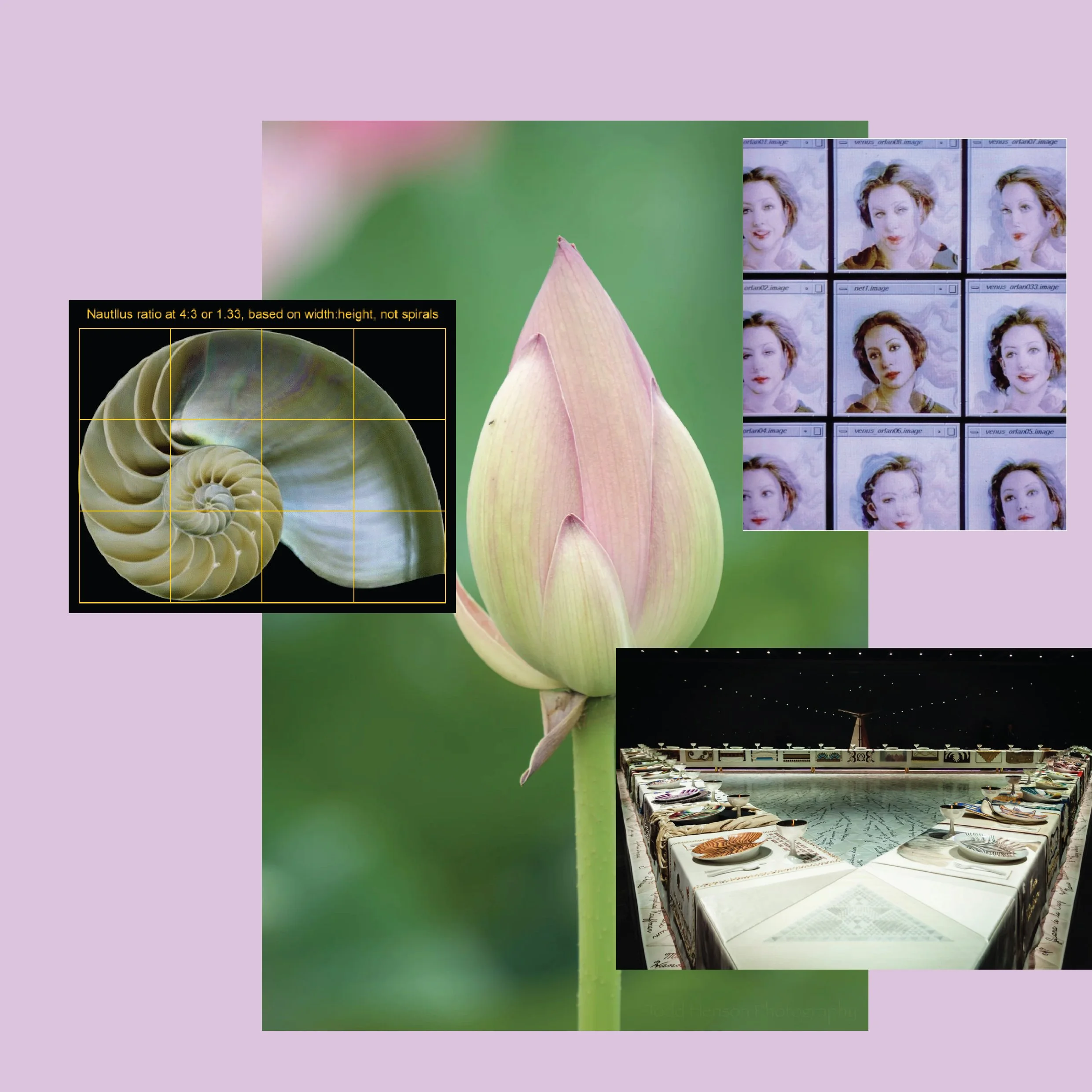
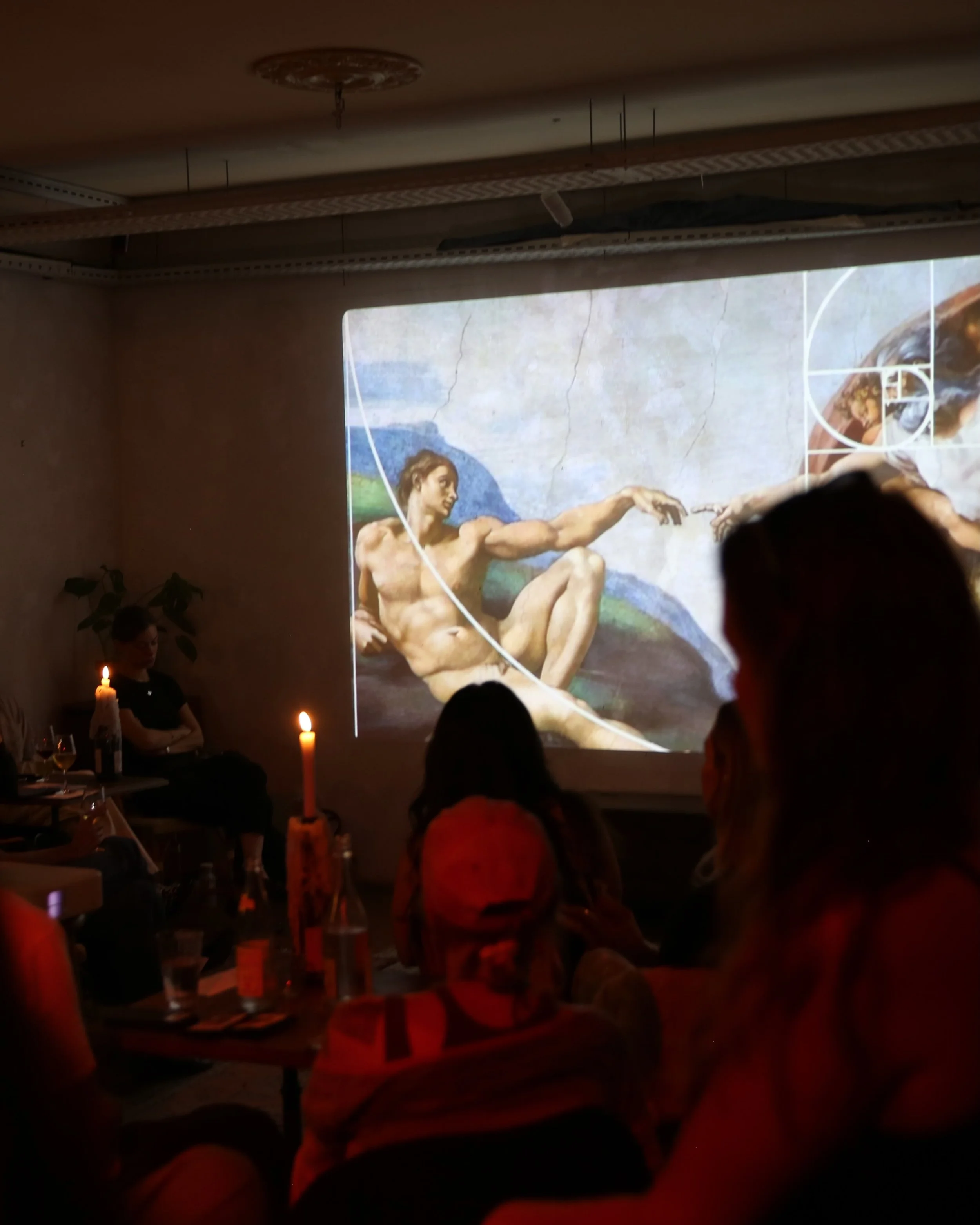
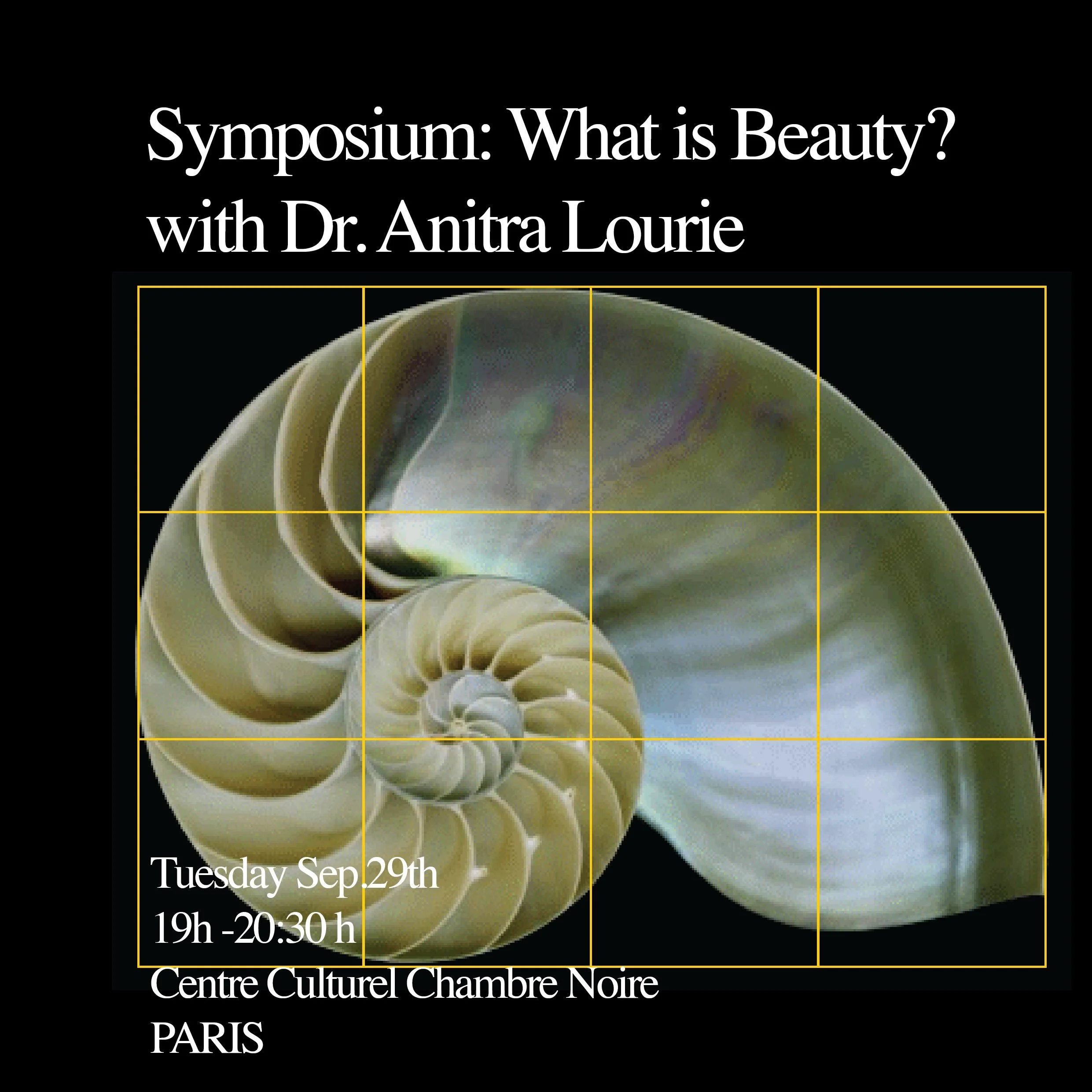
What is Beauty?
From the word sympínein, "to drink together", evening sessions inspired by the ancient Greek practice of gathering around wine and food to discuss philosophical questions. An opportunity to explore some of the foundational texts and theories that shape our notions of beauty today. Reconsidered through a contemporary lens, we will put these theories into dialogue with evolving ideas around symmetry, justice, and perfection.
Anitra Lourie received her doctorate in Art and Aesthetics from Sorbonne University. Her research examines how contemporary women artists engage with new media and narrative forms to construct critical and reflexive identities. She has taught philosophy of art at Sorbonne University – Paris 1 Panthéon for the past five years and currently teaches media history at Parsons Paris. Her writing has appeared in international journals and catalogues including Science du Design, PLASTIK, Design in Translation, OKLinz, and Intersections at Oxford University Press.

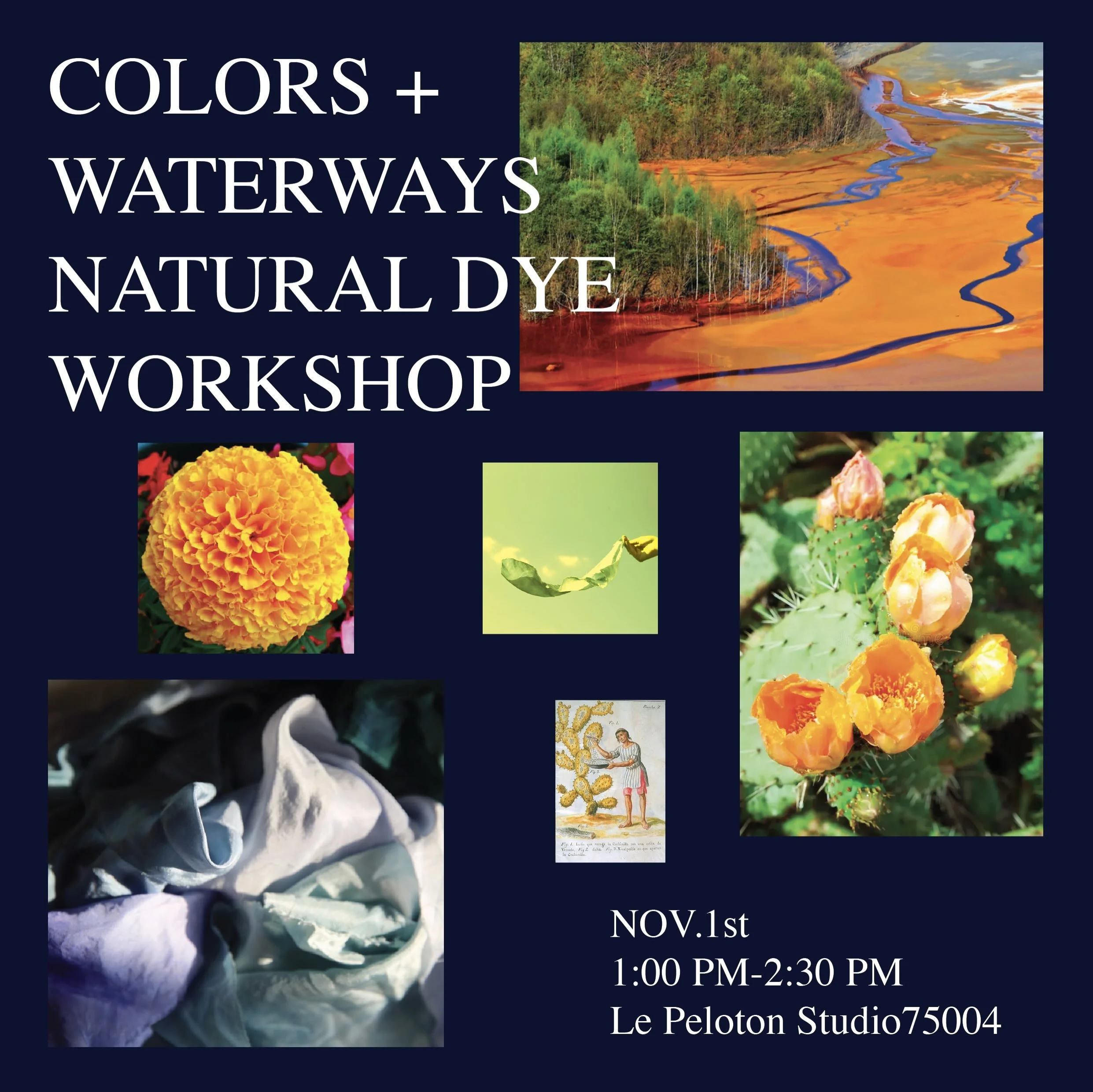
STUDENT WORK
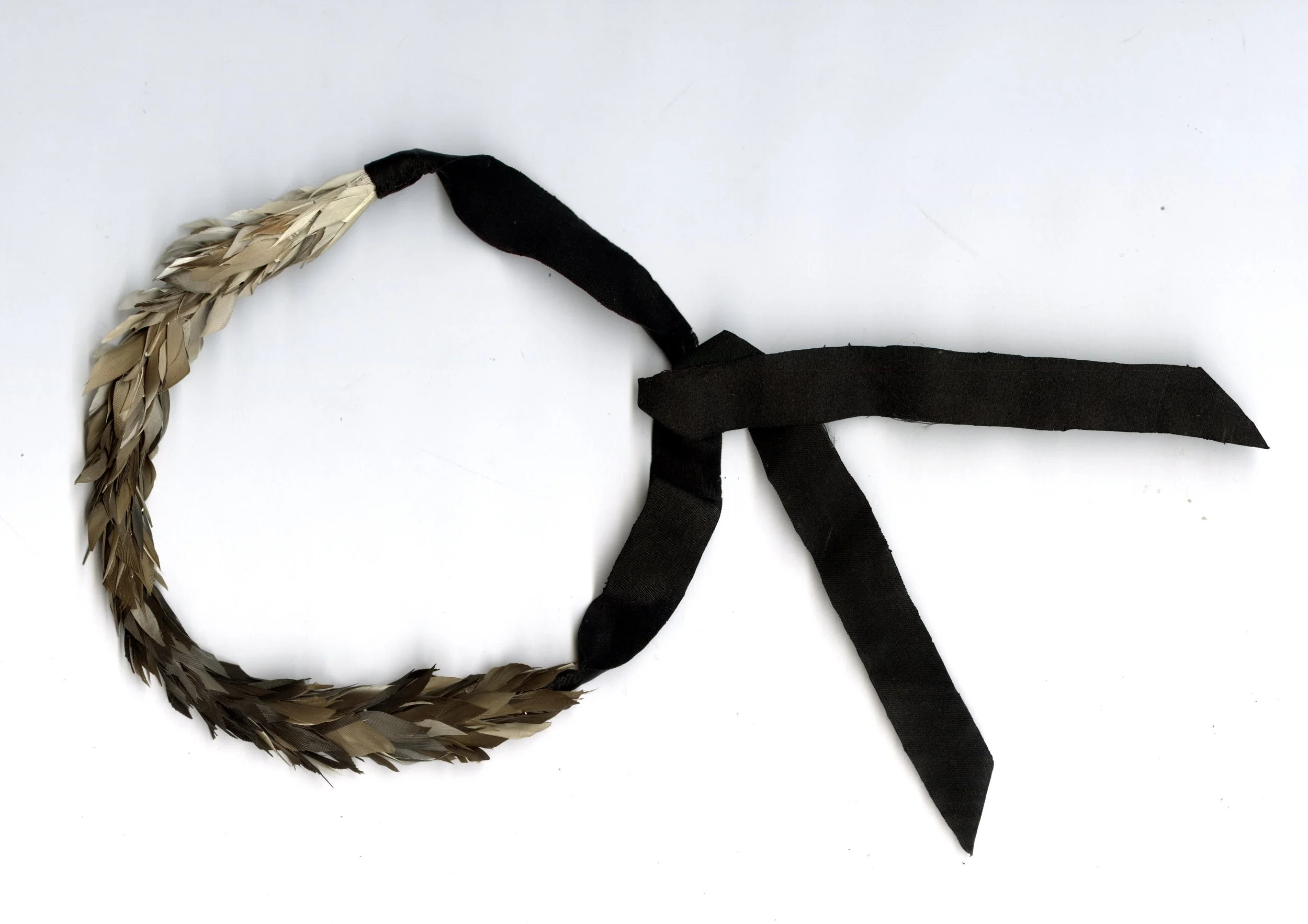
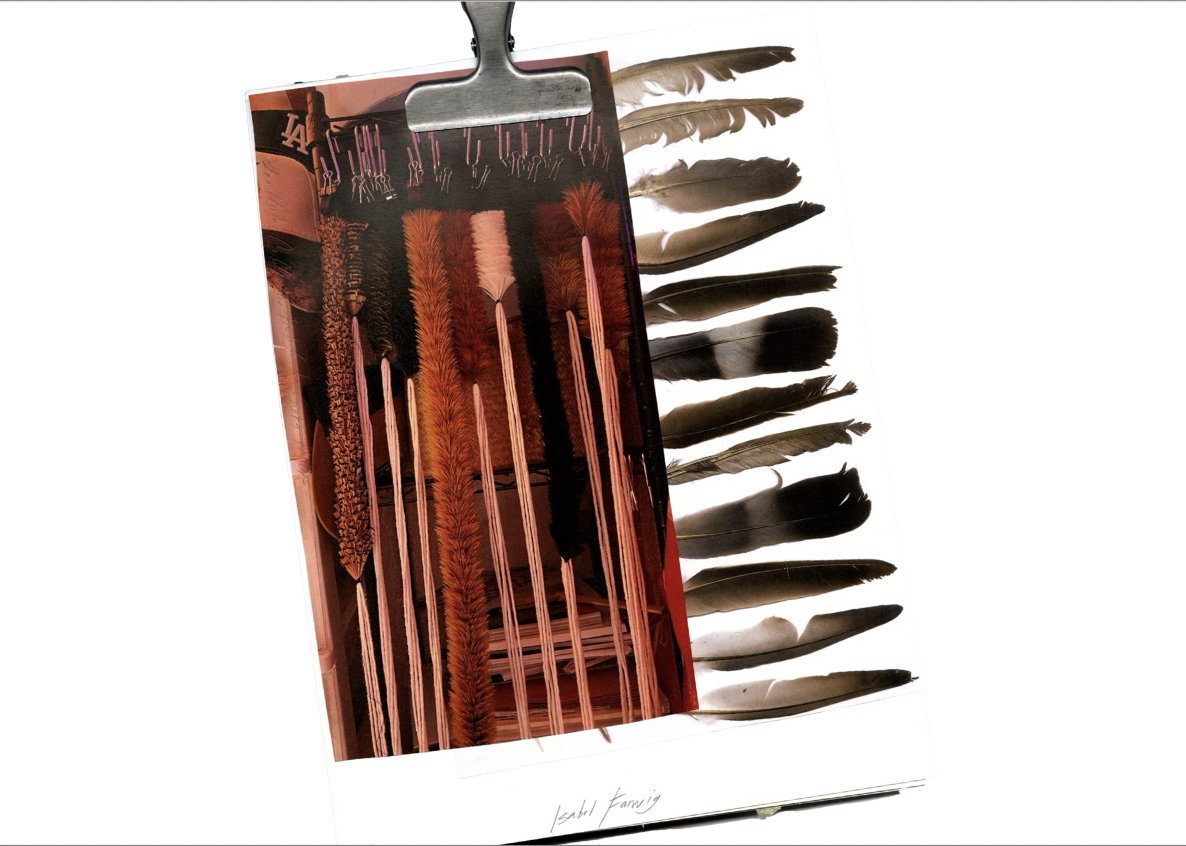
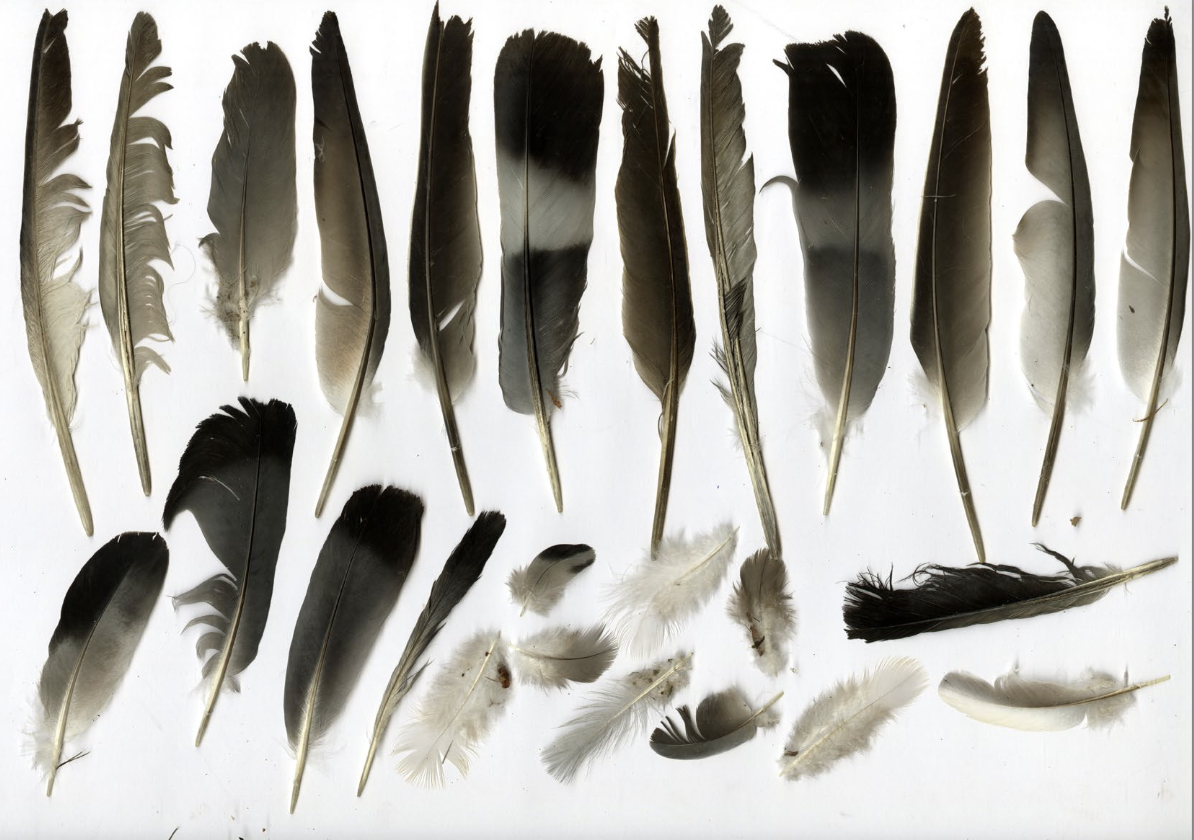
FEATHERS LEI HULU
IZZY FARWIG
In Native Hawaiian history, bird feathers are considered sacred and were used as resources for art and cultural artifacts. They were slowly collected by carefully plucking one or two feathers from a bird when convenient. Over the years, they would create intricate regalia, feather capes, helmets, statues, and lei, unique by color and style to each island and its flourishing bird species. These species are no longer abundant today, with 95 Hawaiian bird species extinct and 47 left, the majority of which are currently endangered. I wanted to analyze the way we view feathers today, inspiring my personal project of making lei hulu, a feather garland meant to celebrate the wearer, out of found feathers in Paris. All of which belonged to the pigeon. I wanted to replicate the slow, cruelty-free collection process, and collected 50 feathers over the course of three and a half months. They were cleaned, prepared, and crafted into lei hulu, which provoked questions surrounding animal value, perceptions of dirtiness, and inquiries about endemic plant and animal enrichment. To further my research, I interviewed two native plant and animal conservationists from the island of Maui, Hokua Gillman and Cora Fernandez.
LUTETIAN LIMESTONE
Stella Sophia Zaragoza
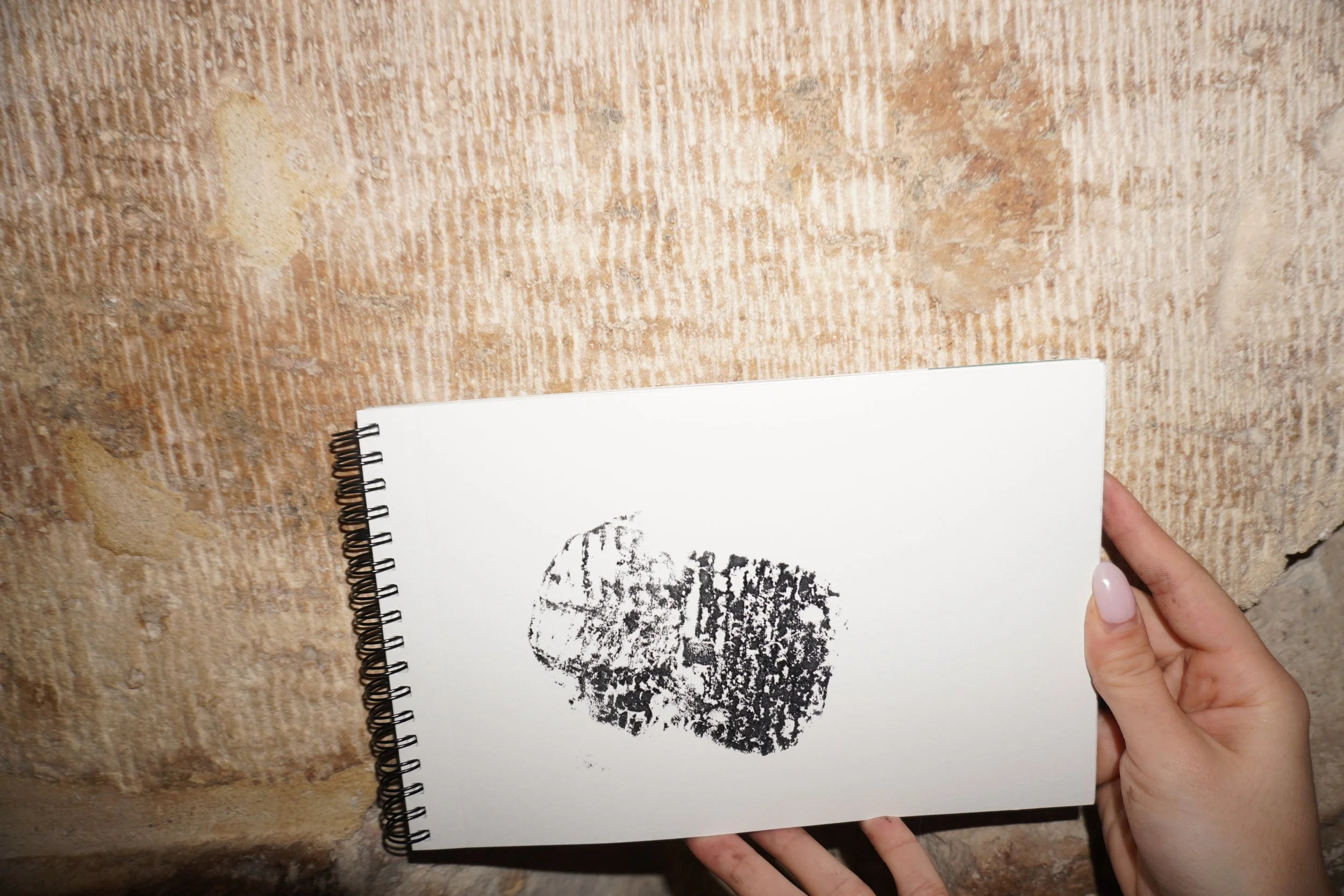
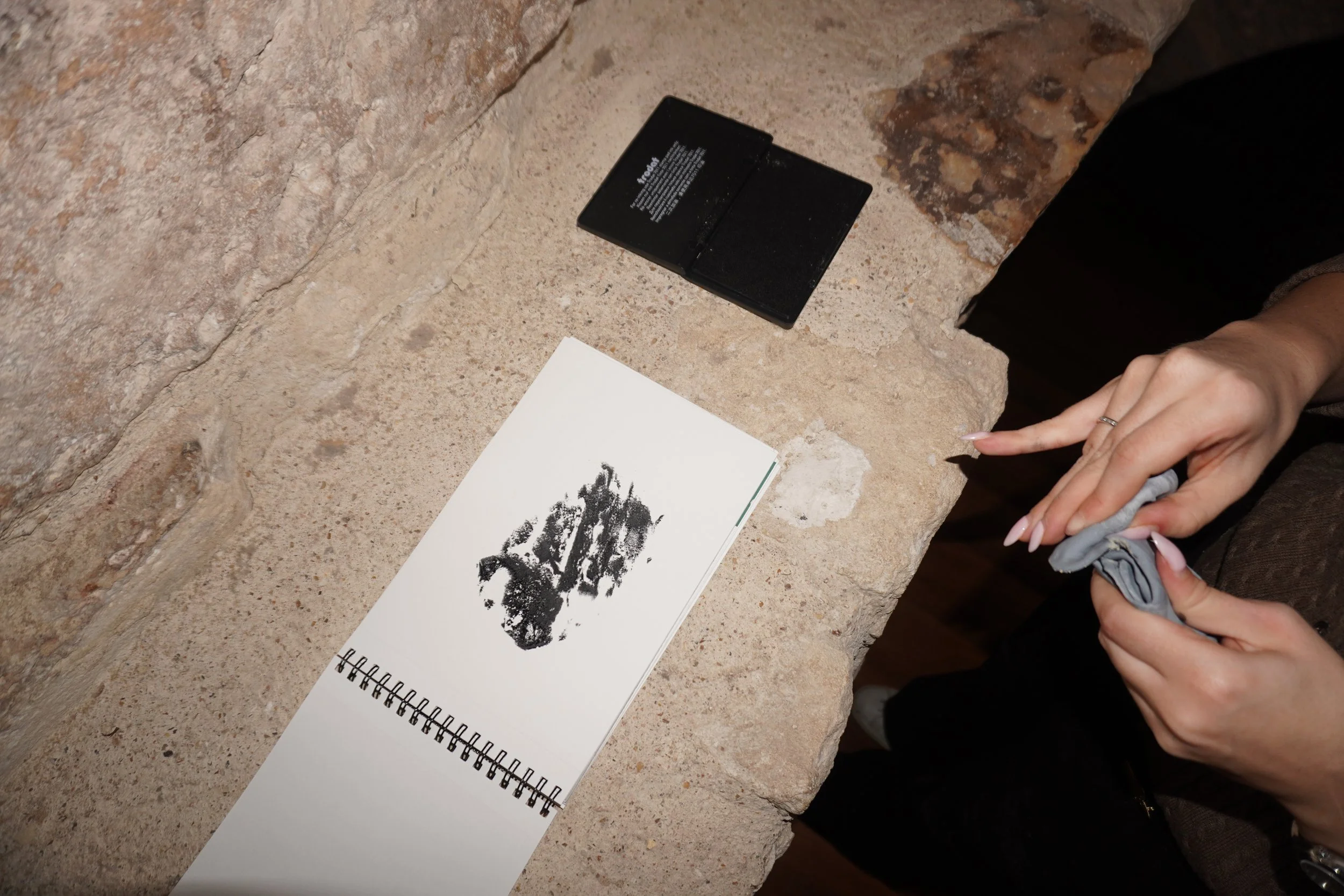
This project explores Lutetian limestone through hand-pressed ink blots as a way of translating stone texture into visual form. I used putty and eraser rubber to gently press into limestone surfaces, capturing pores, fractures, and surface variations without damaging the material. These impressions were inked and printed onto transparent paper, then viewed on a LED light pad, referencing archaeological and geological methods of material observation. The final work transforms limestone into a tactile archive where texture, pressure, and light reveal the memory of stone.
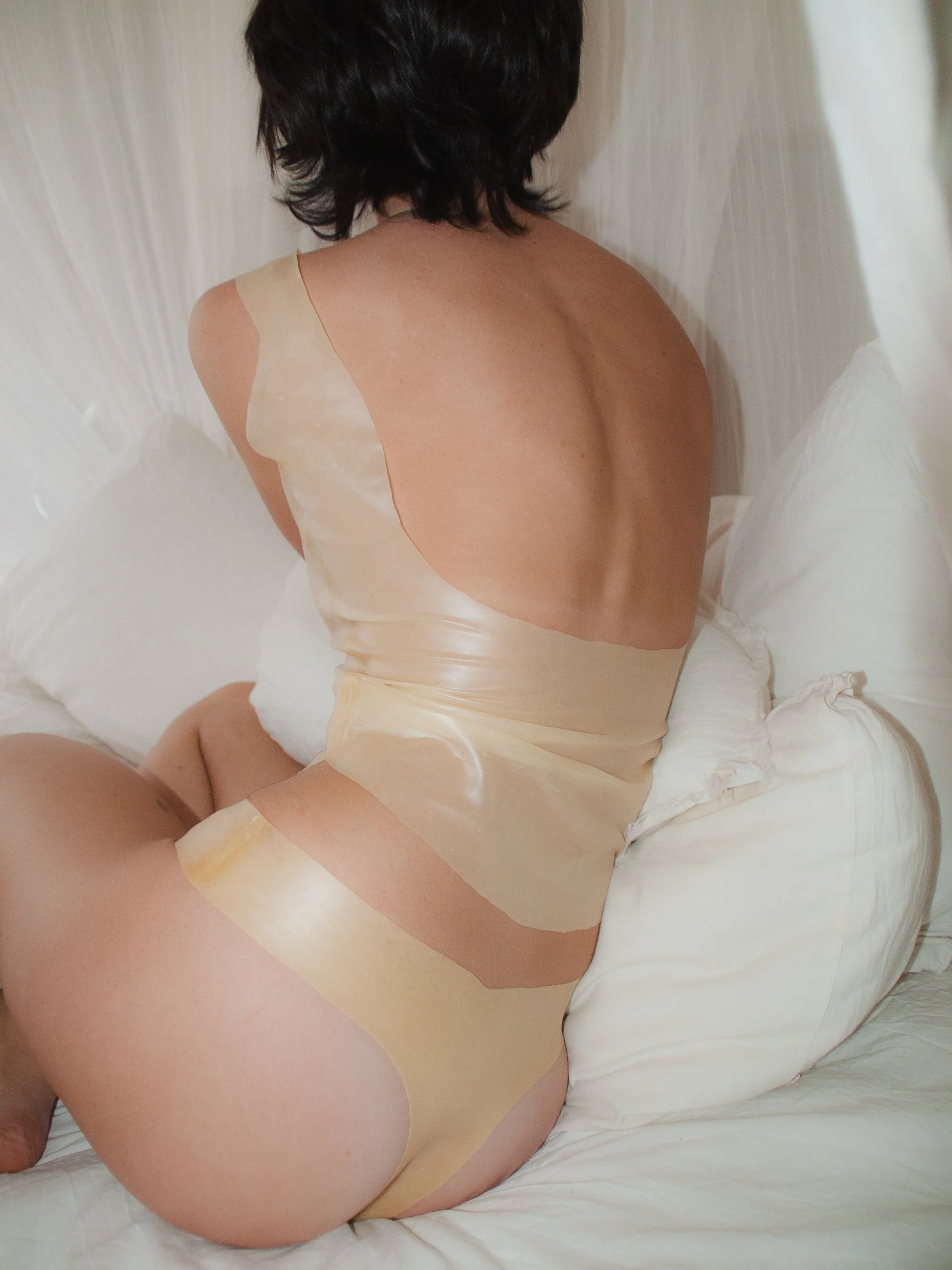
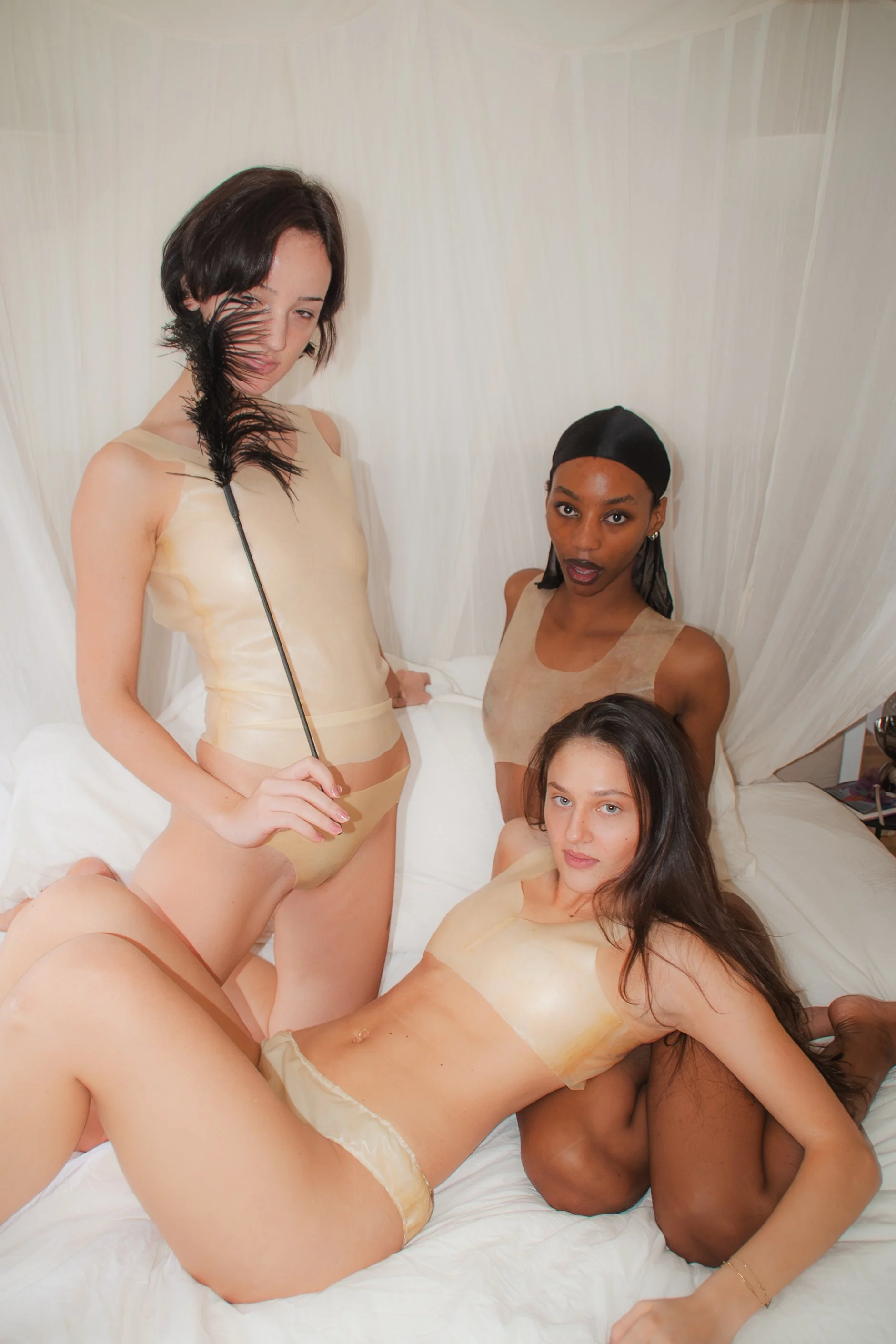
SEXY SAP
CHARLIE TRAPP
‘Sexy Sap’ was a material exploration of latex primarily through the hands-on research of how it performs on the body and as a fashion material. Throughout this project I began with latex from one of its beginning stages as a liquid, and fabricated it into a wearable garment. Throughout the process of painting sheets of latex, to cutting and patterning the material, to then attaching each piece together with more liquid latex, I was able to create a series of latex undergarments aiming to create a connection between the human body and latex as a material and bridge the disconnect between latex and everyday garments. Through this approach I was not only able to understand the physical properties of a new material, but instead learn about its integral properties and society's impressions on latex by presenting my work.
MOSS
EDEN BROZOVICH
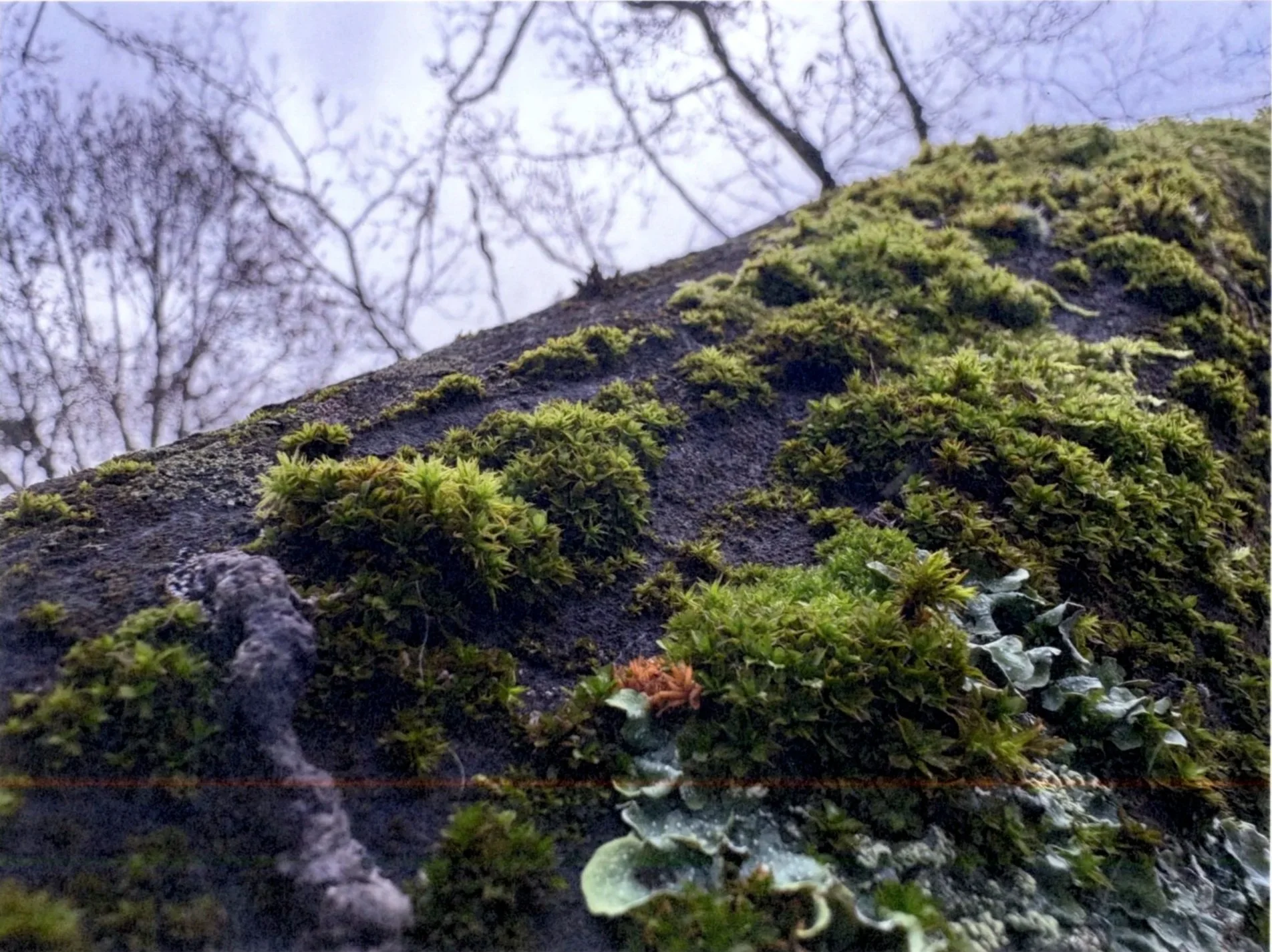
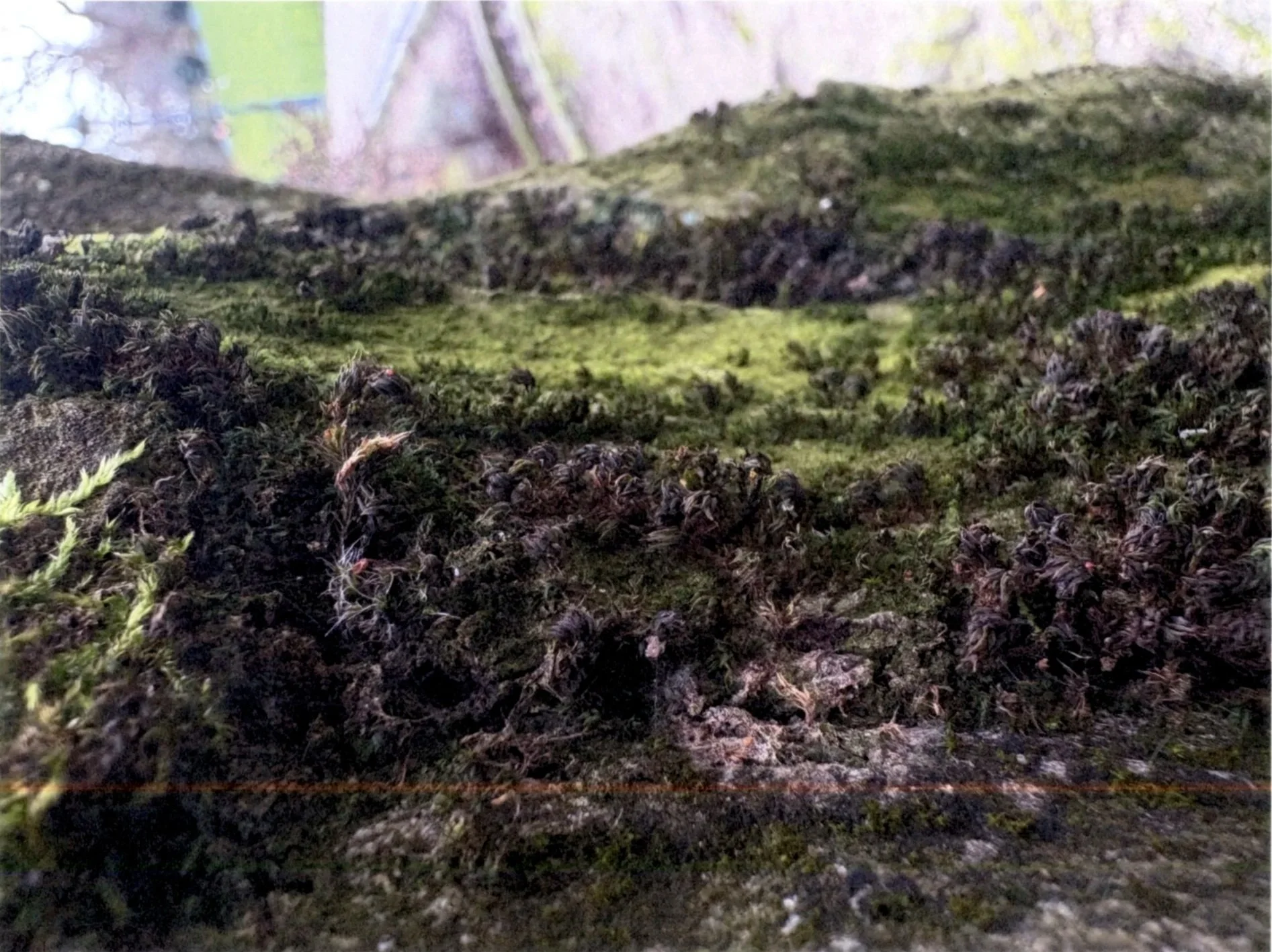
At first glance a patch of moss may resemble a fuzzy green blanket covering a rock or the trunk of a tree, but with a closer look it’ll be revealed that they are forests of little plants with stems and leaves of all different shapes and textures. These miniature forests are ecosystems of their own, home to waterbears, springtails, and other microscopic beings. Inspired by Robin Wall Kimmerer’s teaching that in order to help mosses survive we must get to know them, I began an exploration of how to introduce people to mosses and encourage them to slow down for long enough to begin to get to know them.
Through close up photographs of mosses that resemble landscapes that feel as though you could step into them, I invite people to lean in closer and begin to see the beauty of these little plants. Moving in a bit closer to the moss, I created an illustration like that of a children’s book where, through a childlike curiosity, a kid is shrunk down and enters into the intricate world of moss.
CARDAMOM
LEENA BARQAWI
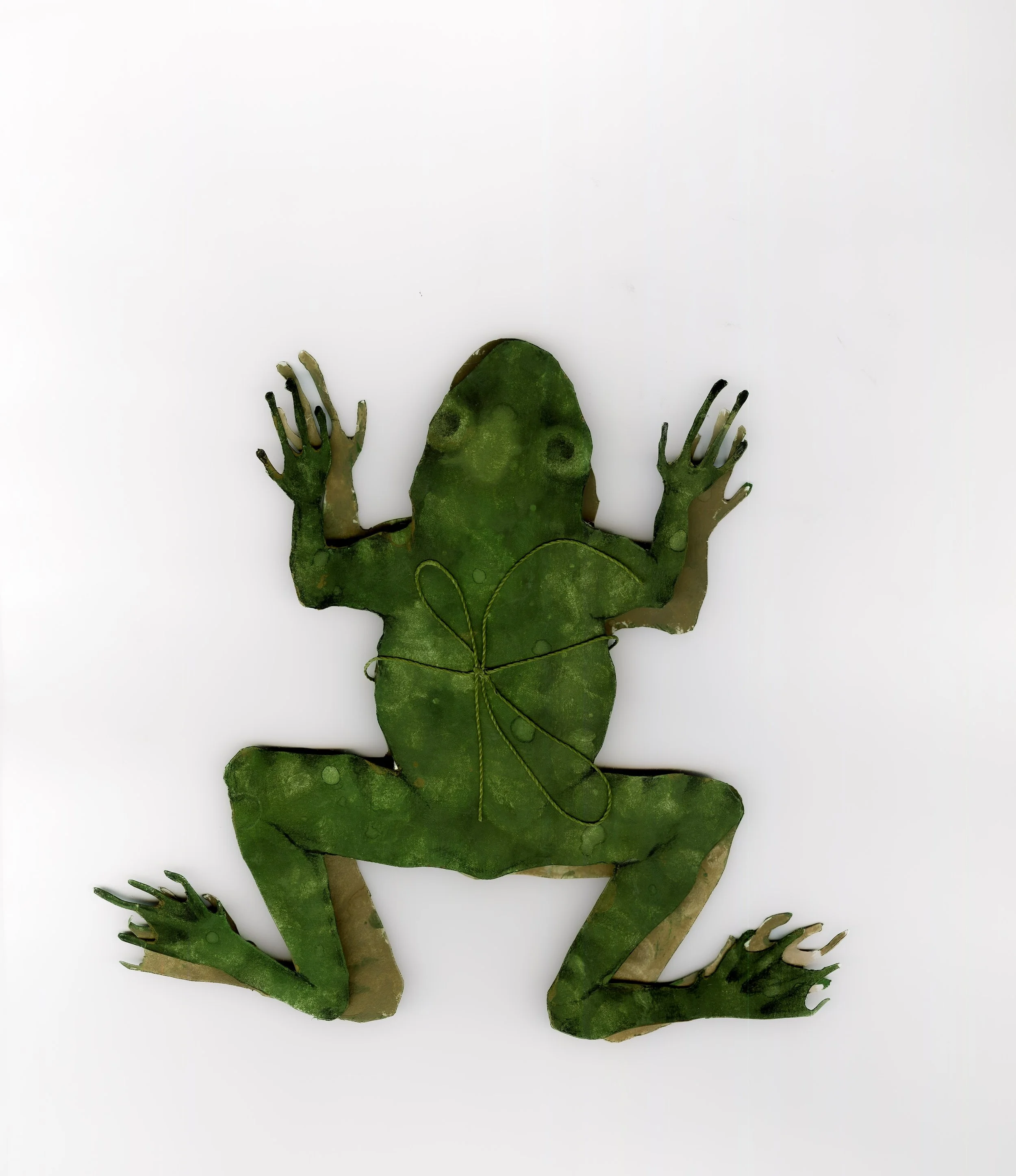
In my project French the Frog, I created an oral hygiene kit designed to draw attention to the relatively opaque practice of harvesting the star ingredient. The “kiss kit” features a mouthwash, toothpaste, and lip gloss infused with cardamom extract.
The “Kiss Me, I Gargle” mouthwash blends spearmint and cardamom; the “Kiss Me, I’m Cavity Free” toothpaste sustains the same flavors; and the “Kiss Me, I Save Frogs” lip gloss offers a glossy, hydrating finish.
While the kit highlights cardamom’s oral hygienic properties, it also points to the extreme labor involved in its harvesting and the industry’s profitability, which has led to harmful practices like the killing of endangered frogs on cardamom plantations.
MARBLE
LEV ZATONSKI

“The Marble Tape Loop” through research explored how marble forms in nature, and drew a comparison to the art of tape looping. After an interview I conducted with a marble artist, I snipped a part from a tape that, with time of being played, will slowly get more texture but also over time will eventually crack, exactly like marble would during its natural formation.
MOLD
STANISLAW LASOCKI
2025 PROJECTS
POLYESTER
KIKI SANTOSSH
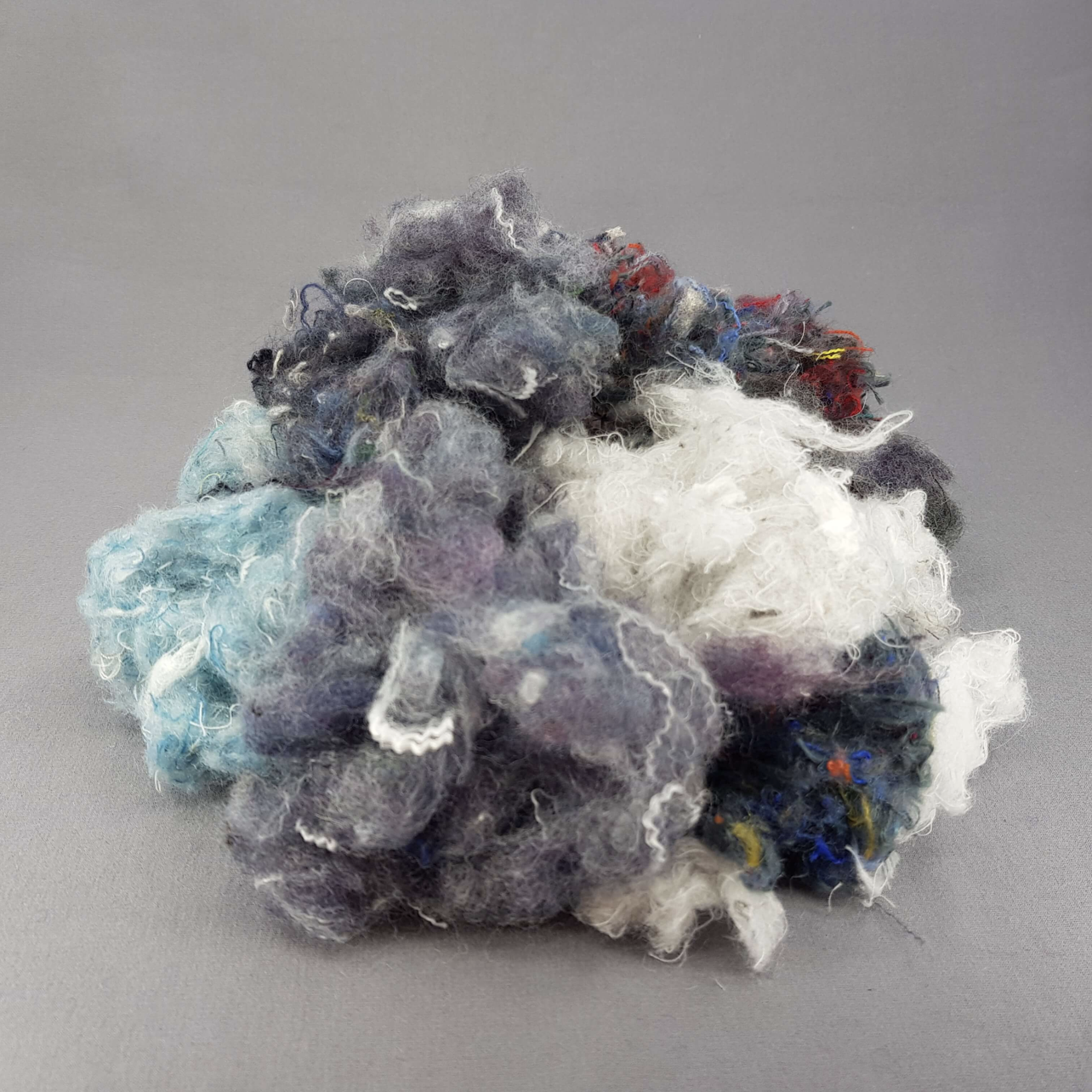
For my project, I chose polyester as my material of focus. I decided to explore it because it’s known as one of the most harmful materials in the fashion industry, and it also has a direct connection to my family business, which relies heavily on polyester-based textiles. Because of this, I wanted to propose an alternative business model for our company - one that shifts away from using polyester as the main raw material. I researched different material options that could realistically be introduced into the Indian textile industry, consulted a few professionals and identified what I believe is the most practical and effective solution. In my business model, I outlined a strategic and profitable plan to transition the company toward a more sustainable direction by phasing out virgin polyester in stages. This approach ensures that we can maintain our current customers while expanding our product range and attract new clients for long-term sustenance.